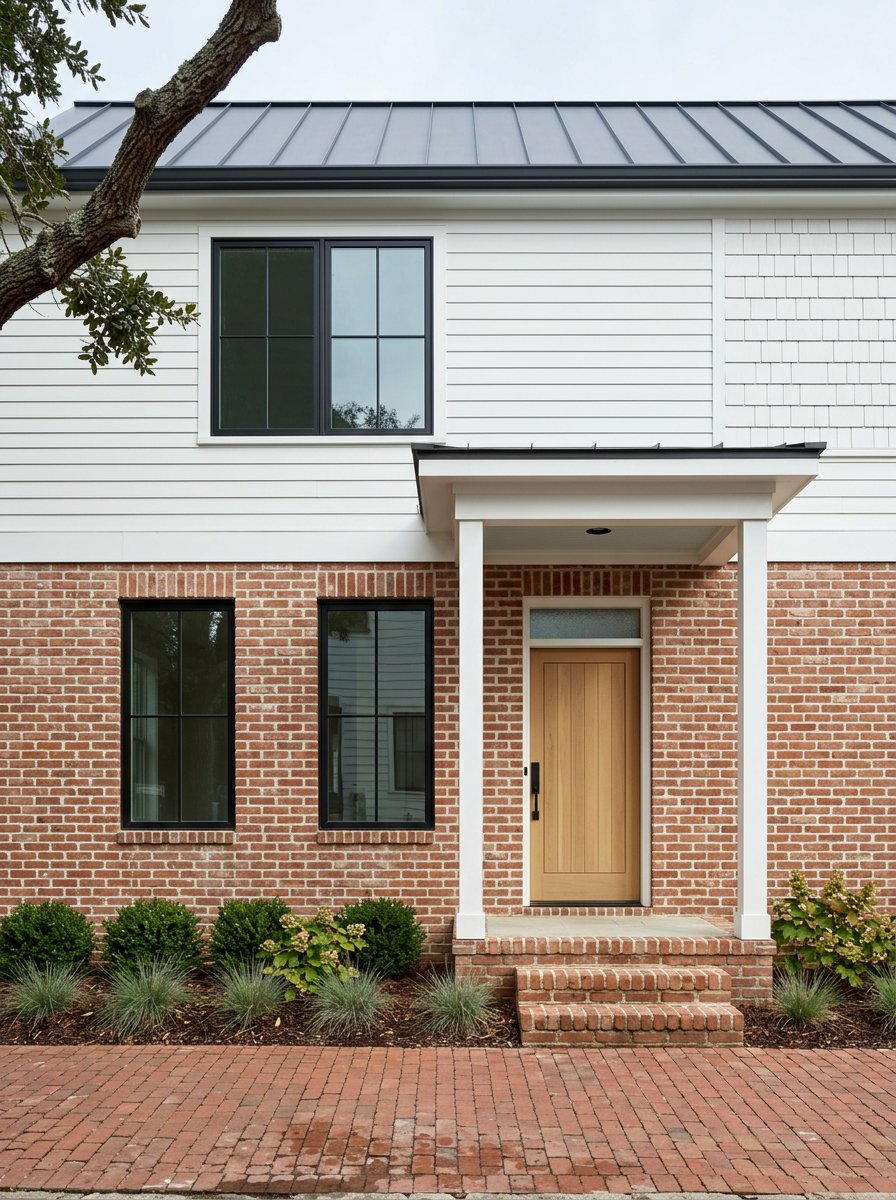
Trying to decide between a condo loft and a single-family home in Downtown Charleston? You are not alone. Both options deliver the charm and convenience that draw people to the peninsula, but they live very differently day to day. In this guide, you will compare lifestyle, rules, maintenance, flood and insurance, financing, and rental considerations so you can choose with confidence. Let’s dive in.
Start with lifestyle fit
Walkability and energy
If you want to step out your door and be minutes from restaurants, galleries, and waterfront parks, a condo or small rowhome near King Street and the French Quarter often fits best. The peninsula is highly walkable, and seasonal festivals can increase foot traffic and noise. Events like Spoleto and culinary celebrations are part of the city’s rhythm and can shape your daily experience downtown. You can preview the city’s annual event calendar to understand peak seasons and street activity by reviewing local festival rundowns such as the list on Here Charleston.
Neighborhoods inside the peninsula vary widely in architecture and price. South of Broad and the French Quarter skew toward historic homes and higher price points, while Cannonborough–Elliottborough and Harleston Village mix condos, small single-family homes, and rowhouses. For a quick snapshot of the 29401 market context and how prices vary by area and housing type, review the Realtor.com overview for 29401.
Space and privacy
Condos and lofts usually trade private yard space for low upkeep. Expect balconies, shared courtyards, or rooftop decks instead of lawns. Single-family options on the peninsula can offer walled courtyards or modest gardens. Larger lots and gardens exist in select pockets, and they typically command premium prices and more ongoing care.
Parking and getting around
Parking is a real consideration downtown. Many residents rely on walking, biking, rideshare, and municipal garages instead of on-site spaces. If you plan to be car-light, proximity to daily needs and transit corridors can make a condo especially appealing. If you prefer dedicated parking or garage space, look closely at single-family or fee-simple townhomes with off-street parking.
Ownership and monthly costs
HOA and reserves
Condo lofts come with a homeowners association or regime. The association typically maintains the exterior, roof, elevators, and common areas, and it carries a master insurance policy. You carry an HO-6 policy for your interior, personal property, and liability. Monthly dues range widely depending on building age, services, and amenities. Always request the association’s budget, reserve study, insurance declarations, and recent meeting minutes to check for special assessments and overall building health. You can learn why reserve funding and master policy details matter in assessments like this overview from We Love HOAs.
If you prefer full control and fewer shared rules, a single-family home may suit you better. You set your own maintenance schedule and choose contractors. That freedom comes with responsibility for roof, exterior, and yard care. As a rule of thumb, many owners set aside a percentage of home value each year for maintenance and capital projects.
Insurance basics
- Condo owner: HO-6 policy for interior and contents. The association’s master policy covers exterior and common elements. Confirm if the master policy is “bare walls” or “all-in” so you understand where your coverage starts. See a plain-language overview of HO-6 coverage from SmartFinancial.
- Single-family owner: HO-3 policy that covers the structure, contents, and liability. You handle all property insurance directly.
Flood insurance is separate from these policies. If a property is in a FEMA Special Flood Hazard Area, lenders on federally backed mortgages will require flood coverage. More on that below.
Flood risk and resilience
Much of the Charleston peninsula lies in mapped coastal flood zones. Before you make an offer, request the property’s flood zone letter or an elevation certificate and get a quote from a local insurance broker. The City’s resource page can help you understand local flood zones and documentation: Know Your Flood Zone.
If your mortgage is federally backed and the property sits in an SFHA, your lender must require flood insurance under federal rules. That requirement can affect your monthly payment and your renovation choices. You can review the federal guidance in the Interagency Q&A on flood insurance.
Quick tip:
- Ask for the seller’s flood policy declarations page if available.
- Price out premiums early. Premiums vary by elevation, mitigation features, and construction.
- Factor flood compliance into any renovation budget.
Renovations and history
BAR approvals
Downtown’s Old and Historic District is protected. Exterior work visible from the public right-of-way usually requires a Certificate of Appropriateness from Charleston’s Board of Architectural Review. That can include window changes, roofing, porches, additions, and certain materials. Interiors generally have more flexibility, but structural changes that affect the exterior may still trigger review. Build time and design fees into your plan and consult the city’s guidelines on the Board of Architectural Review.
Tax incentives
If you plan a certified rehabilitation of an income-producing historic property, federal and state tax credits may apply. The federal Historic Rehabilitation Tax Credit is 20 percent for eligible projects, and South Carolina offers additional state incentives through established programs. These programs require advance coordination and approvals. Explore current guidelines and timelines with resources from the Preservation Society of Charleston.
Financing differences
Condo warrantability
Condo loans involve two approvals: you as the borrower and the condo project itself. If the project is not eligible, your financing choices narrow and rates can differ. Fannie Mae offers the Project Eligibility Review Service to evaluate projects, and FHA has its own rules. Check a building’s approval status early so there are no surprises at underwriting. For background on project approvals, see Fannie Mae’s overview of PERS and project eligibility.
Second homes and investors
Lenders treat second homes and investment properties differently. Down payment, reserves, and interest rates can change based on how you plan to use the property. HOA dues also count toward your debt-to-income ratio, which can impact how much you qualify to borrow, especially in buildings with higher monthly fees. Disclose projected HOA dues to your lender at pre-approval.
Short-term rentals
If rental potential matters to you, confirm the property’s short-term rental path before you write an offer. The City of Charleston requires permits and a business license, and rules vary by location and category. Some areas of the historic district have strict limits. Operators are responsible for collecting and remitting state, county, and city taxes. Review current categories, application steps, parking rules, and enforcement on the city’s page for Short-Term Rentals.
Quick decision checklist
Use this list to clarify your next step.
- Lifestyle: Do you want low-upkeep, walk-everywhere living or private outdoor space and more control over renovations?
- Flood and insurance: Pull the flood zone letter or elevation certificate and confirm premiums with an insurer.
- Condo due diligence: Request HOA budget, reserve study, master policy declarations, meeting minutes, and project financing status.
- Historic scope: For single-family homes in the historic district, confirm what exterior work will trigger BAR review and factor that timeline into plans.
- Rentals: If STR income matters, verify category and parking requirements with the city before assuming any rental revenue.
- Financing: If buying a condo, verify warrantability with your lender and discuss alternatives if the project is non-warrantable.
Which to choose?
Choose a condo loft if you want:
- A lock-and-leave retreat with exterior and common areas maintained by the HOA.
- Walkable access to dining, arts, and waterfront parks.
- Simplified insurance on your interior with an HO-6 policy, and you are comfortable with HOA rules and dues.
Choose a single-family home if you want:
- Private outdoor space and fuller control over exterior changes.
- Long-term flexibility, with the understanding that BAR and floodplain procedures can shape exterior projects.
- Responsibility for full-property maintenance and insurance, and you are comfortable budgeting for it.
Ready to talk through specific buildings, streets, or courtyards that match your lifestyle? Reach out to Mary Catherine Masi to map your options on the peninsula and beyond. Schedule a lifestyle consultation and get a clear plan for your next move.
FAQs
What should I know about renovating in Downtown Charleston’s historic district?
- Exterior work visible from the street typically requires a Certificate of Appropriateness from the Board of Architectural Review, while most interiors have more flexibility, so plan extra time and design coordination.
Do I need flood insurance for a Downtown Charleston home or condo?
- If your mortgage is federally backed and the property is in a FEMA Special Flood Hazard Area, lenders require flood insurance; many buyers also choose coverage outside SFHAs as a risk decision.
How do condo HOA dues affect my loan approval?
- Monthly HOA dues count toward your debt-to-income ratio and can reduce your qualified loan amount, so share estimated dues with your lender at pre-approval.
What makes a condo project “non-warrantable,” and why does it matter?
- If a project does not meet conventional guidelines, financing choices can narrow and rates may differ, so check project eligibility with your lender before you write an offer.
Can I run a short-term rental in a Downtown Charleston property?
- Short-term rentals require city permits and a business license, and rules vary by location and category, so verify eligibility and parking requirements for the exact address before assuming rental income.