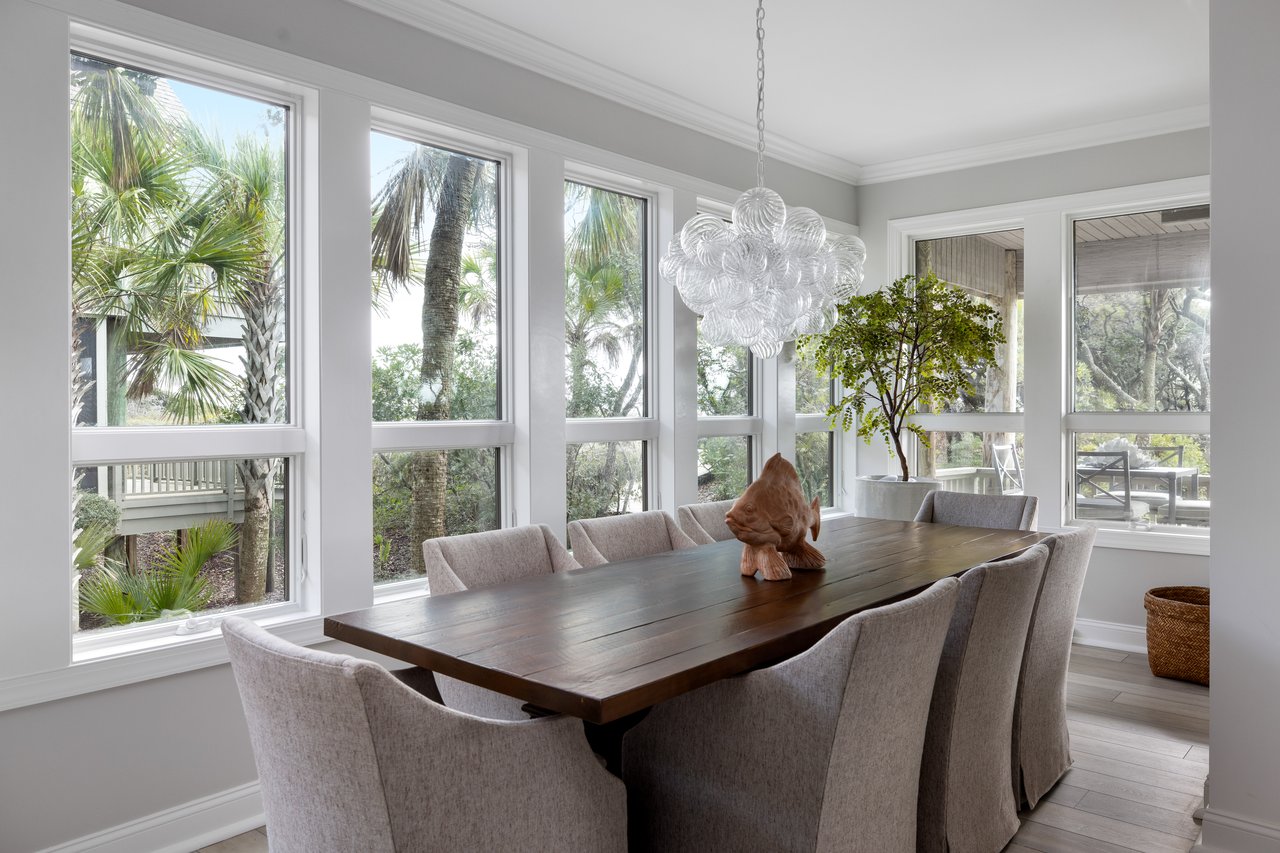
For most of 2022 and 2023, you could not drive down Sullivan's Island's residential streets without passing a yard sign that read "Stop Pacaso." A resident named Tim Emrich had planted more than 200 of them after learning that a house on Ion Avenue was being sold in one-eighth shares through Pacaso, a company that markets fractional ownership of vacation homes. The island has banned rentals under 30 days since 2002. Emrich and his neighbors saw the arrangement as a rental in disguise.
Three years later, a South Carolina appeals court disagreed. On February 18, 2026, in a 2-1 decision, the South Carolina Court of Appeals sided with the property owner, 2 SC Lighthouse LLC, and with Pacaso, reversing a lower court that had backed the town. If you are weighing a fractional purchase on Sullivan's Island right now, or wondering whether the ruling opens a workaround anywhere else on the Lowcountry coast, the details of what the court actually said matter more than the headline.
Why the workaround was tested here and not somewhere else
Sullivan's Island is the only municipality in the Charleston area with a blanket prohibition on short-term rentals, with no licensing path and no cap system, just a hard line drawn in 2002 and a small handful of grandfathered properties still operating under it. That absoluteness is exactly why a company selling fractional shares would test its model here first. On Isle of Palms, short-term rental income is already legal with a business license, so there is nothing to work around. Voters there rejected a proposed rental cap in November 2023, keeping the island one of the more permissive short-term rental markets on the coast. Kiawah Island issues annual short-term rental licenses with inspections and parking and noise standards, and its private community association layers on its own rules for renters and vendors, including gate access procedures. Neither island has the kind of total ban that makes an ownership structure like Pacaso's look, to some buyers, like a legal alternative to renting.
| Island | Short-term rental policy | What it means for a buyer |
|---|---|---|
| Sullivan's Island | Rentals under 30 days banned since 2002, with a small number of grandfathered exceptions | No licensed path to nightly income, which is the entire reason a fractional-ownership test case landed here |
| Isle of Palms | Legal with a business license; voters rejected a proposed cap in November 2023 | No workaround needed, since rental income is already a disclosed, legal part of ownership |
| Kiawah Island | Annual license required, with inspections and parking and noise standards, plus private community association rules | Legal but licensed and layered, adding a compliance step beyond the town code itself |
How one house on Ion Avenue became a test case
The town's zoning administrator flagged the arrangement at the Ion Avenue property as a violation in the fall of 2022. The town's Board of Zoning Appeals upheld that finding by a unanimous vote, seven to nothing, in early 2023. When 2 SC Lighthouse and Pacaso pushed back, Charleston County Circuit Court sided with the town, effectively agreeing that the zoning administrator's read of the ordinance should stand.
That circuit court result stood until the South Carolina Court of Appeals reversed it on February 18, 2026, finding that selling shares in a vacation home
does not constitute commercial use of the property
The court's reasoning turned on a distinction that sounds technical but carries real weight: the people staying in the Ion Avenue house were owners, not tenants. No one paid a nightly or weekly fee for lodging. Without a landlord-tenant relationship, the court held, the town's own definition of a short-term rental simply did not reach the arrangement, whatever it resembled in practice.
What the ruling settled, and what it left wide open
The opinion is unpublished, which under South Carolina court rules means it is not binding precedent on future disputes, even within the same county. The court itself noted that interpreting a zoning ordinance is a legal question, not a factual one entitled to broad deference, and that if a town wants to regulate fractional ownership as a rental, it has to say so in the ordinance itself rather than relying on zoning staff to stretch an old definition to cover a new business model.
That leaves Sullivan's Island exactly where it was before the case started, minus one enforcement tool. The town can still amend its ordinance to name fractional and co-ownership arrangements explicitly, and nothing in the ruling stops a future town council from doing that. The resident campaign that produced those yard signs has not disappeared either. A buyer looking at a fractional listing today is not buying into settled law. They are buying into the current pause in an argument that could restart at the next council meeting.
Why this matters more on an island with 30 to 40 sales a year
Sullivan's Island closed out 2025 with a year-end median sale price of $4.2 million, down 15.7 percent from 2024, though with only 30 to 40 total sales in a typical year, medians here swing hard on small sample sizes alone. Prices range from around $900,000 for one of the island's rare condominiums to well over $16 million for oceanfront estates. That thin a market means a handful of fractional or co-ownership listings entering or leaving inventory can visibly move the comps that appraisers and lenders rely on, which is part of why the town has fought this fight so hard for a single house rather than letting it slide.
It also means the practical stakes of the ruling are smaller than the legal drama suggests. This was one property, one company, and one unpublished opinion. It did not create a market. It created a narrow, contestable opening that the town's own ordinance library still does not address by name.
What to actually do before buying into a fractional share here
- Ask for the specific ownership structure in writing, including whether owners occupy on a fixed schedule or a variable one, since the court's reasoning leaned on the absence of a landlord-tenant relationship.
- Confirm in writing with the town's zoning office whether the specific property or company you are considering has been the subject of any violation notice, past or pending.
- Review any HOA or covenant restrictions separately from town zoning. Most single-family homes on Sullivan's Island are not part of a homeowners association, but some parcels carry deed restrictions that predate current zoning debates entirely.
- Treat the February 2026 ruling as a data point, not a guarantee. An unpublished opinion can be distinguished, and a future ordinance amendment could change the answer entirely.
A few direct questions
Is fractional ownership now legal on Sullivan's Island? One property owner won one case on one set of facts, in an opinion the court itself designated as non-binding. That is different from the model being broadly cleared.
Does the ruling affect Isle of Palms or Kiawah Island? No. Both islands have their own licensing systems for short-term rentals and were not party to this case. The legal question the court answered was specific to the wording of Sullivan's Island's ordinance.
Could Sullivan's Island still ban fractional ownership outright? Yes. The court was explicit that a town can regulate co-ownership models if it writes the rule to say so directly, rather than relying on an interpretation of an older short-term rental definition.
Buying into a fractional share, or into a whole home you plan to hold for the long term, on an island where the rules are still being argued in court is not a decision to make from a listing photo. If you are weighing a fractional purchase, a whole-home buy, or simply trying to understand what a specific property's history looks like before you make an offer, Mary Catherine Masi works this market closely enough to walk you through it property by property. Schedule a lifestyle consultation before you sign anything.