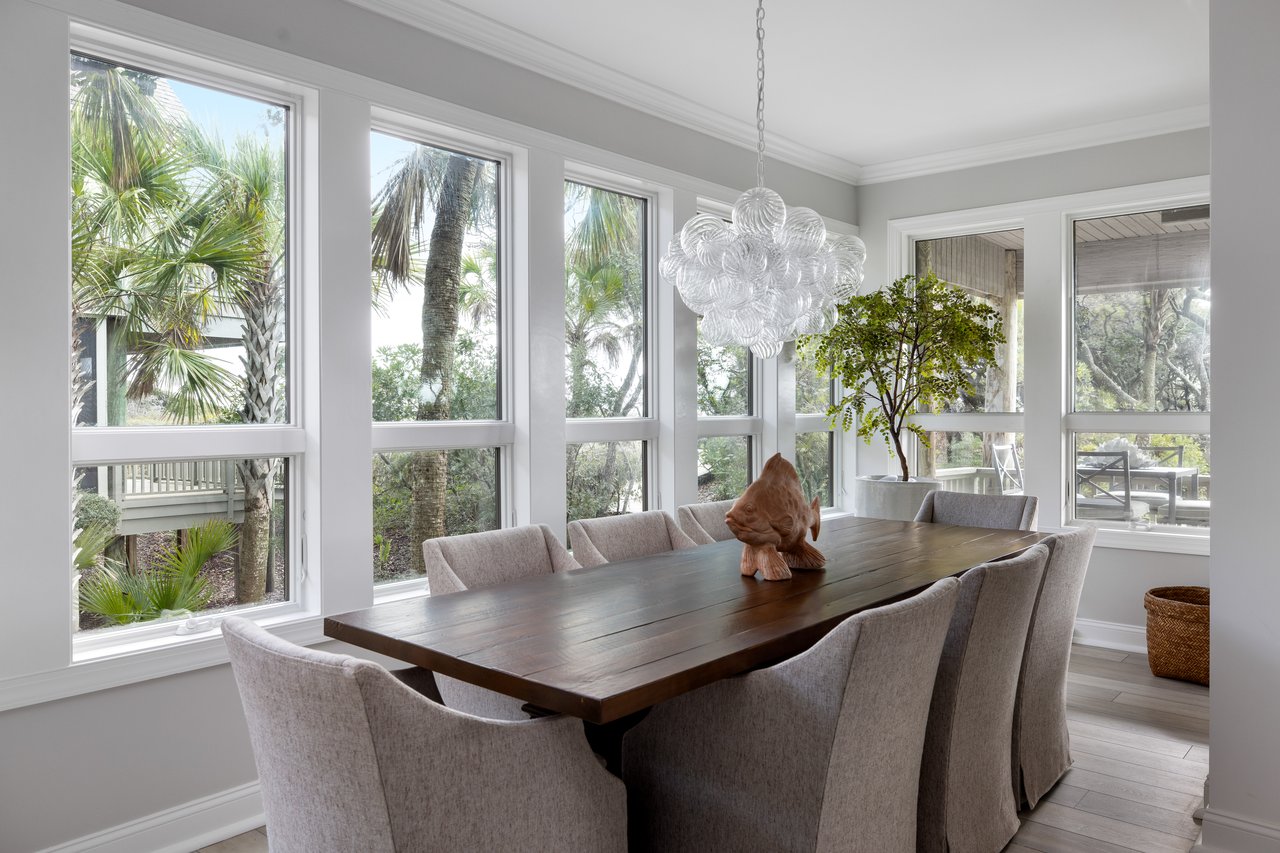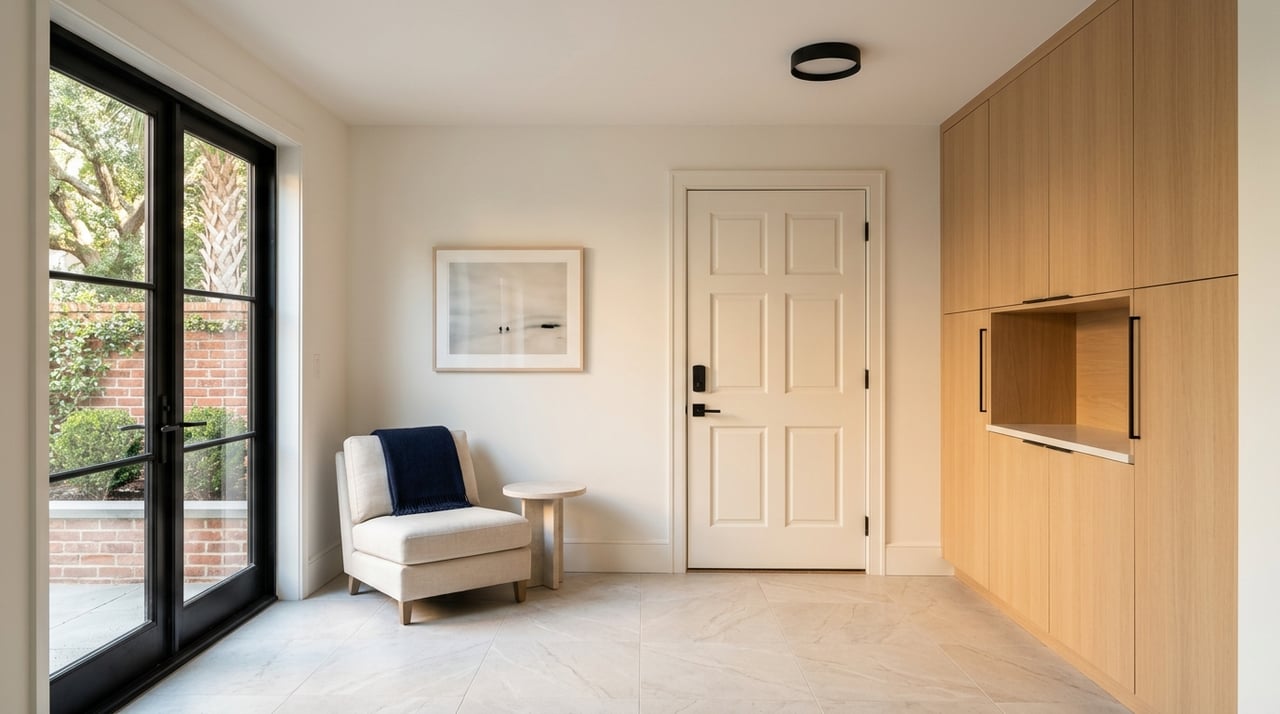
You do not need a sprawling Charleston property to enjoy the city well. For many second-home buyers, a small downtown residence can deliver exactly what they want: easy access to restaurants, shops, waterfront walks, and historic streets, all in a setting that feels distinctly Charleston. If you are weighing whether a pied-à-terre downtown makes sense for your lifestyle, the key is to balance charm and convenience with the realities of parking, rules, and carrying costs. Let’s dive in.
Why Downtown Charleston Appeals
Downtown Charleston offers a compact, experience-rich setting that fits the way many part-time owners actually live. The city’s Central Business District includes King Street, the Market area, and sections of Broad, East Bay, and Meeting streets, which the city describes as the region’s shopping and dining hub.
That concentration matters when you are using a home for long weekends, seasonal stays, or short visits throughout the year. Instead of planning your day around driving, you can often step outside and be close to dining, retail, and some of the city’s most recognized public spaces.
The historic character is also a major part of the appeal. The Charleston Old and Historic District is one of the country’s most complete historic districts, with more than 1,400 historically significant buildings, which gives downtown a sense of place that many buyers want in a second home.
What the Downtown Lifestyle Looks Like
For a pied-à-terre, lifestyle is often the whole point. Downtown Charleston centers many of the experiences buyers picture when they imagine time in the city.
Walkable anchors downtown
Waterfront Park, City Market, and the King Street corridor are central to everyday downtown life. The city describes Waterfront Park as an eight-acre linear park and pier with walking and jogging paths, and it calls City Market a popular attraction for both tourists and residents alike.
The Maritime Center notes that City Market, the King Street shopping district, and Waterfront Park are all within easy walking distance. If you want a residence that feels active and connected without needing a large footprint, that walkability can make a smaller home feel practical.
Best fit for frequent-use owners
A downtown pied-à-terre often works best if you plan to use it often and want a true in-town base. If your priority is being able to arrive, settle in quickly, and enjoy Charleston without much setup, downtown can support that kind of ownership well.
This is especially true if you value restaurants, retail, culture, and waterfront access more than private outdoor space or a larger lot. In that sense, the location itself becomes one of the home’s biggest amenities.
Parking Is the Biggest Practical Question
If there is one issue to examine closely before you buy, it is parking. For many downtown pied-à-terre owners, parking can shape the ownership experience just as much as the residence itself.
The City of Charleston says all on-street meters are active Monday through Saturday from 9 a.m. to 6 p.m. It also states that street parking on King Street between Spring and John streets is prohibited Thursday through Saturday nights.
The city further notes that there are currently no vacancies for monthly accounts in city garages or lots, and there is no waiting list for prospective monthly parkers. For an out-of-market buyer who wants simple arrivals and departures, this is a meaningful detail.
Why assigned parking matters
Because of those restrictions, an assigned or deeded parking space can be a major advantage. In many cases, it can matter as much as finishes, square footage, or even a view.
If you plan to keep a car in Charleston, ask specific questions about how parking works before you move too far into a purchase decision. A beautiful small residence may feel far less turnkey if every visit begins with a parking puzzle.
Helpful alternatives to driving
Downtown does offer some transportation support. CARTA’s free DASH shuttle connects the Visitor Center, Historic King Street, Four Corners of Law, Broad Street Shopping District, Waterfront Park, City Market, the Charleston Museum, and Upper King.
The city’s Residential Parking Program also covers much of downtown and has issued more than 8,000 permits annually. Depending on the property and your use, these options may reduce some of the everyday inconvenience, but they do not replace the value of understanding parking upfront.
Historic Rules and Building Oversight
Downtown Charleston ownership can come with more oversight than you might expect if you are used to suburban or resort properties. That is not necessarily a drawback, but it does mean you should go in with clear expectations.
The City’s Board of Architectural Review says it reviews demolitions of buildings 50 years or older south of Mount Pleasant Street and any demolition within the Old and Historic District. In practical terms, exterior changes in the historic core can involve more regulation.
What this means for buyers
If you are buying a pied-à-terre, you may not plan major work right away. Still, even modest future plans can be affected by local review requirements, building characteristics, and any applicable association rules.
Before buying, it helps to understand:
- Whether the property is subject to association guidelines
- How guest access and building entry are handled
- What exterior or structural changes may require review
- Whether the home’s age or location affects renovation flexibility
For second-home buyers, this kind of diligence supports a smoother ownership experience later.
Rental Flexibility Is Not Automatic
Some buyers want a downtown pied-à-terre mainly for personal use. Others hope for occasional rental income when they are away. In Charleston, that second strategy requires careful review.
The City of Charleston says short-term rentals require a permit and business license, and the ordinance applies citywide. It also notes that permit categories depend on location and building characteristics, which means the rules are not one-size-fits-all.
Questions to ask about rentals
If rental flexibility matters to you, do not assume a property can be used the way you want just because it is downtown. You will want to evaluate both city rules and any building or association restrictions.
Key questions include:
- Is short-term rental use permitted for this specific property?
- Does the building or association limit leasing?
- Are there guest or occupancy policies to review?
- Are you buying for personal use first, or do you expect income to be part of the plan?
For many pied-à-terre buyers, clarity here is more important than the marketing language around a property.
Second-Home Costs to Plan For
A downtown Charleston pied-à-terre can be compelling, but it is important to look beyond the purchase price. Second homes often carry tax and risk considerations that deserve close attention.
Property tax classification
In South Carolina, the difference between a primary residence and a second home matters for property taxes. Charleston County says primary residences are assessed at 4%, while other real estate is assessed at 6%.
The South Carolina Department of Revenue defines legal residence as the owner’s current primary home. If you are buying a downtown property as a second residence, that distinction should be part of your budgeting from the start.
Flood and insurance diligence
Flood diligence is also important downtown. The City of Charleston says flooding is driven by a combination of geography, higher groundwater tables, increased precipitation, subsidence, sea-level rise, and aging infrastructure.
The city’s flood-zone information explains that AE and VE zones are in the Special Flood Hazard Area, where mandatory flood insurance rules apply. For buyers, this makes flood-zone review and insurance planning a necessary part of due diligence, not an afterthought.
Stormwater and recurring expenses
The city also operates a stormwater utility to fund drainage maintenance and regulate stormwater activity. That means your recurring ownership costs may include more than mortgage, insurance, and HOA dues.
For a second-home purchase, it is smart to evaluate the full carrying-cost picture early. A residence that feels ideal on paper should also fit comfortably within your long-term use plan.
When Downtown Is the Right Fit
Downtown Charleston can be an excellent pied-à-terre choice if you want a frequent-use, low-maintenance base in the middle of the city’s historic and cultural core. It is especially appealing if you value walkability, waterfront access, and a stay that feels connected to Charleston the moment you arrive.
This option tends to fit buyers who care more about access and atmosphere than private land or a larger footprint. If your version of Charleston living includes morning walks near the water, dinner on King Street, and an easy lock-and-leave setup, downtown may check the right boxes.
When Another Option May Suit You Better
Downtown is not the best fit for every second-home buyer. If you want easy parking, a large outdoor living area, or broad rental flexibility, the tradeoffs may feel more noticeable over time.
In that case, it may make sense to compare downtown with other Charleston-area second-home options based on how you actually plan to use the property. The right choice is usually less about the idea of a pied-à-terre and more about whether the day-to-day ownership experience supports your goals.
If you are comparing Downtown Charleston with island and resort-oriented second-home options, Mary Catherine Masi can help you evaluate lifestyle fit, property logistics, and the details that matter most before you buy.
FAQs
Is Downtown Charleston a good place for a pied-à-terre?
- Downtown Charleston can be a strong pied-à-terre option if you want a part-time residence close to shopping, dining, historic streets, and waterfront public spaces.
What is the biggest challenge of owning a downtown Charleston pied-à-terre?
- Parking is often the biggest practical challenge because downtown has active meter rules, street restrictions in some areas, and limited monthly parking availability in city garages and lots.
Can you use a Downtown Charleston pied-à-terre as a short-term rental?
- Short-term rental use is not automatic in Charleston because permits and business licenses are required, and eligibility depends on location and building characteristics.
Do second homes in Charleston have different property tax treatment?
- Yes. Charleston County says primary residences are assessed at 4%, while other real estate, including second homes, is assessed at 6%.
Why does flood diligence matter for Downtown Charleston property?
- Flood diligence matters because the city identifies multiple causes of flooding, and properties in AE and VE zones are in the Special Flood Hazard Area where mandatory flood insurance rules apply.