If you are drawn to a downtown Charleston home for its piazza, roofline, ironwork, or layered historic charm, it helps to know this before you renovate: owning in the historic core often means following a preservation process, not just a standard construction timeline. That can feel intimidating, especially if you are buying from out of market or planning updates soon after closing. The good news is that when you understand how Charleston’s review system works, you can make smarter decisions, budget more accurately, and protect the character that makes these homes so special. Let’s dive in.
Why historic guidelines matter downtown
Downtown Charleston is not covered by one simple rulebook. A property may fall within the Old and Historic District, Old City District, Historic Corridor District, Landmark Overlay, or another Board of Architectural Review jurisdictional area, depending on the parcel location.
For many downtown homeowners, the Board of Architectural Review, often called BAR, is the main city body that reviews exterior preservation work. The City’s Preservation & Urban Design division administers that process in historic districts and Landmark Overlay properties, while the Design Review Board generally handles work outside those historic areas.
That distinction matters because two homes just blocks apart may follow different review paths. Before you plan updates, it is important to confirm exactly which district or overlay applies to the property you own or hope to buy.
What BAR looks at
Charleston uses the Charleston Standards as the baseline for BAR decisions. These standards are designed to preserve historic character, encourage repair instead of replacement, and make sure new work is compatible with the existing building without creating a false sense of history.
In practical terms, BAR often focuses on exterior changes that can be seen from the public right-of-way. The City defines that as what can be seen from street level with the naked eye, without counting vegetation as screening.
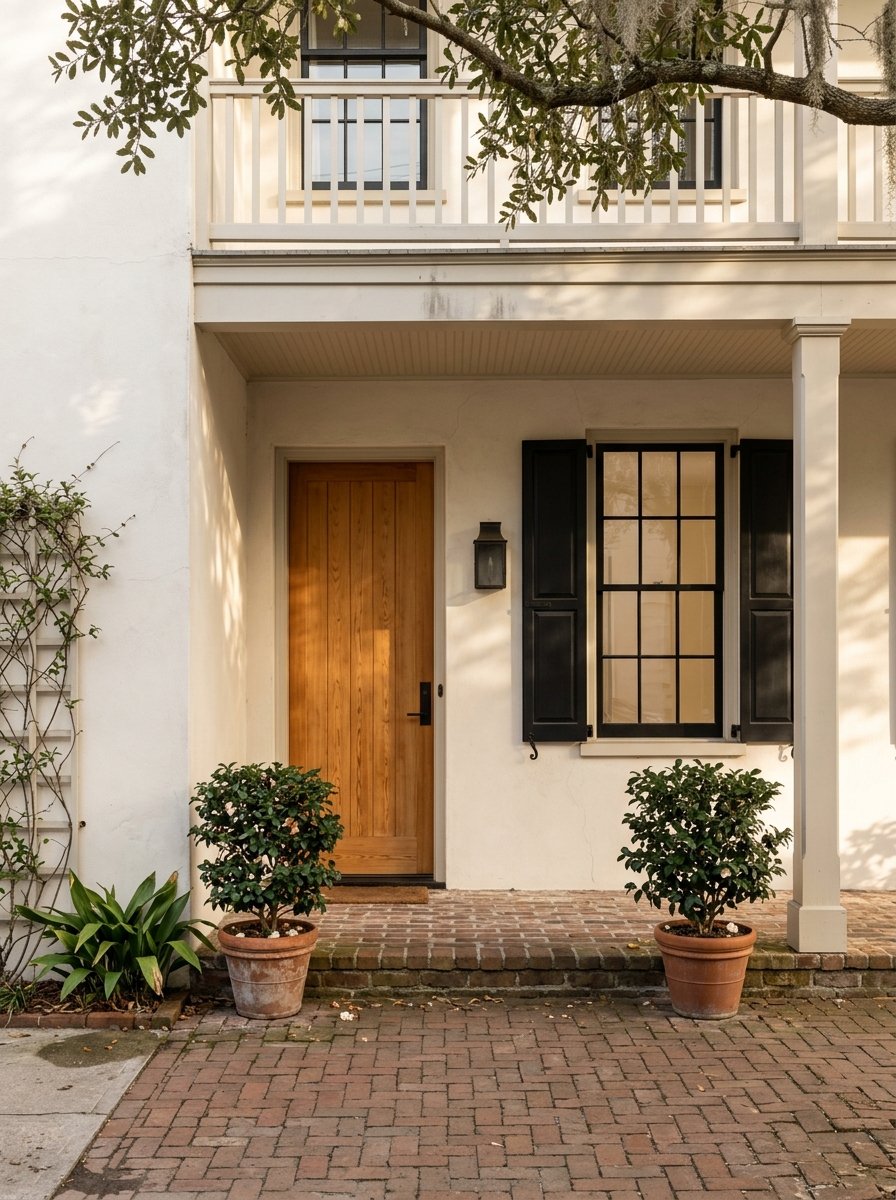
That means street-facing features usually matter most. Roofs, windows, doors, porches, piazzas, fences, walls, additions, and visible mechanical equipment are common review points for downtown properties.
Exterior updates that often trigger review
If you are planning changes to a historic home in downtown Charleston, exterior work is where review most often comes into play. Additions, new construction, demolition, and many visible exterior alterations typically receive the closest attention.
Some smaller items may be handled by staff rather than going before the full Board. Depending on the property and scope, painting, sitework, signage, and certain repairs may qualify for staff-level review.
Windows and doors
Windows and doors are one of the most common sticking points for homeowners. The City’s guidance favors repairing original elements first, and if replacement is necessary, the new unit should closely match the original material and configuration.
For historic residences in the historic districts, vinyl and aluminum simulated divided-lite windows are not acceptable. The City also notes that the size or opening of a window should not be changed.
Roofs, porches, and piazzas
Roof materials carry a lot of weight in downtown Charleston because they shape how a home reads from the street. The City identifies standing seam metal, standing seam copper, terra-cotta tile, and slate as common historic roof materials, while asphalt shingles and V-crimp metal roofing are considered inappropriate for historic buildings.
Porches and piazzas are also treated as character-defining features. Enclosing them is generally discouraged, and any screening should be removable and placed behind columns and railings.
Fences, driveways, and equipment
Smaller exterior details can affect approvals too. In the historic districts, chain link, aluminum, vinyl, and PVC fencing are not considered appropriate.
Driveway materials matter as well. Asphalt and plain poured concrete driveways are considered inappropriate in these historic settings, and mechanical equipment such as HVAC units and meters should be screened and kept out of public view.
Additions and demolition
If you want more space, additions are possible, but they need to be subordinate to the historic building and compatible in scale and massing. They should also remain visually distinguishable from the original structure rather than trying to imitate it exactly.
Demolition is especially sensitive downtown. The City discourages demolition of historic buildings and character-defining features, and BAR review is required for demolition within the Old and Historic District or Landmark Overlay District, as well as for buildings more than 50 years old south of Mount Pleasant Street.
How the review process usually works
The first step is not design. It is research. You will want to confirm the parcel’s jurisdiction and any inventory or survey rating because those details help shape the type of review your project may need.
The City maintains district boundaries, jurisdiction review charts, landmark overlay lists, and historic surveys or architectural inventories that guide BAR decisions. These materials are available through the Preservation Division and Permit Center.
In the peninsula’s older inventories, survey category can make a real difference. Category 1 and 2 buildings generally require BAR review for a broader range of work, including paint color changes, storm windows, additions, accessory buildings, demolition, and hardscaping, while Category 3 and 4 buildings may have more flexibility depending on the project.
When staff review may be enough
Not every project requires a full Board hearing. The City’s quick-review list includes some in-kind repairs and routine work, although staff still makes the final determination case by case.
Examples may include minor rot repair, wood fences, painting surfaces that are already painted, and certain roof work such as shingle-to-shingle replacement or recoating a metal roof. Even then, it is wise to check first rather than assume a project is exempt.
When a full BAR submittal is required
Larger or more visible projects usually go through the BAR submittal process. The City requires digital submittals through its Customer Self Service portal in one combined PDF that includes a current application, complete plan set, project valuation, and checklist.
Applications are due by noon on the deadline date, and new CSS account activation can take up to three business days. After review, the Board may approve a project, approve it with conditions, defer it, or deny it.
Why early planning helps
For complex work, a pre-design conference with the City Architect or Preservation Officer may be required before conceptual review. This is an especially important step for additions, substantial alterations, and new construction.
For buyers and owners alike, the real lesson is simple: start the preservation conversation early. In downtown Charleston, good planning can save you time, money, and frustration later.
What buyers should ask before closing
If you are buying a historic home downtown, the right due diligence questions can shape your renovation budget and your timeline. They can also help you avoid surprises after closing.
A strong starting checklist includes:
- Which historic district or overlay applies to the property?
- What is the home’s survey category?
- Are there prior BAR approvals on file?
- Are there any open violations or easements?
- Do the windows, roof materials, porch details, fencing, and screened mechanical equipment appear compliant, or could future work require review?
These questions are especially important if you plan to make changes soon after purchase. A home that looks turnkey at first glance may still carry preservation considerations that affect cost and timing.
What sellers should prepare
If you are selling a downtown Charleston home, historic compliance details can influence buyer confidence. Well-prepared documentation can make the property easier to understand, especially for second-home buyers and relocators who may be less familiar with Charleston’s review process.
It helps to gather records for prior approvals, completed exterior work, and any known district or inventory information. If recent updates involved windows, roofing, porches, fencing, or additions, those details can help buyers evaluate the home with more clarity.
For many sellers, that preparation also supports a smoother marketing story. Buyers are often more comfortable moving forward when a historic property’s condition and approval history feel organized and transparent.
Short-term rental plans need extra review
Some buyers look at downtown Charleston through both a lifestyle and investment lens. If that includes short-term rental use, preservation rules are only one part of the picture.
In the Old and Historic District, Residential Category 1 short-term rentals are limited to one unit per property. The City also requires an additional off-street parking space, and the rental unit must be in an existing structure or accessory building that is individually listed on the National Register of Historic Places.
That means rental plans should be evaluated carefully before you buy or renovate. A home’s historic status and exterior review path do not automatically answer whether your intended use will fit city requirements.
The smartest mindset for downtown ownership
The best way to think about updating a historic Charleston home is this: preservation comes first, construction comes second. That shift in mindset helps you approach the process with realistic expectations and a better chance of success.
Historic guidelines do not exist to stop thoughtful improvements. They are there to help preserve the streetscapes, materials, and architectural details that make downtown Charleston so distinct in the first place.
If you are buying, selling, or planning updates in downtown Charleston, working with a local advisor who understands both lifestyle goals and property logistics can make the path much clearer. For tailored guidance on historic homes and downtown opportunities, Mary Catherine Masi can help you move forward with confidence.
FAQs
What exterior changes usually need review for downtown Charleston historic homes?
- Exterior changes such as visible window and door work, roof changes, porches or piazzas, fencing, additions, new construction, and demolition often require review, depending on the property’s district, survey category, and scope of work.
What does visible from the public right-of-way mean in Charleston?
- The City defines it as what can be seen from street level with the naked eye, and vegetation does not count as screening.
Can you replace windows in a historic downtown Charleston home?
- Possibly, but the City encourages repair first, and if replacement is needed, the new windows should closely match the original material and configuration. Vinyl and aluminum simulated divided-lite windows are not acceptable for historic residences in the historic districts.
Do all downtown Charleston projects go before the full BAR board?
- No. Some smaller items, such as certain in-kind repairs or painting surfaces already painted, may qualify for staff or quick review, but the City makes that determination case by case.
What should buyers verify before purchasing a historic home in downtown Charleston?
- Buyers should confirm the property’s historic district or overlay, survey category, prior BAR approvals, any open violations or easements, and whether key exterior features may require review if updated later.
Can a downtown Charleston historic property be used as a short-term rental?
- It depends on the property and zoning requirements. In the Old and Historic District, Residential Category 1 short-term rentals are limited to one unit per property, require an additional off-street parking space, and the rental unit must be in an existing structure or accessory building individually listed on the National Register of Historic Places.