If you can hear the surf from your porch, does it have to be oceanfront to feel like the beach? On Isle of Palms, both oceanfront and second-row homes deliver a true coastal lifestyle, but the details matter when it comes to views, access, costs, and rental potential. You want the right fit for how you will use the home, not just the best view on paper. In this guide, you’ll learn the real trade-offs so you can buy with confidence. Let’s dive in.
Isle of Palms market context
Isle of Palms is a narrow Atlantic barrier island just outside Charleston, surrounded by marsh and waterways. Beachfront real estate here sits in a premium niche of the greater Charleston coastal market. Buyers range from primary homeowners who want daily beach time to second-home owners and investors focused on short-term rental income.
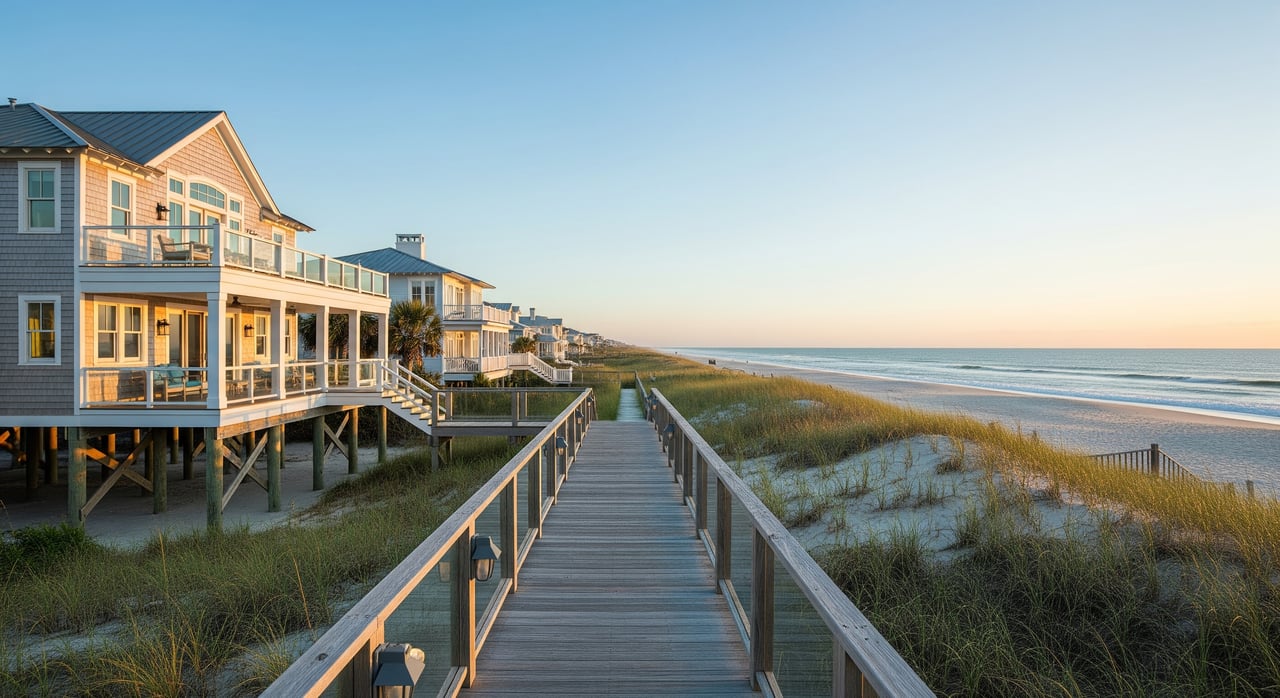
At a high level, oceanfront delivers the most direct beach access and the widest views. Second-row often comes with a lower entry price while still keeping you close to the sand. Your decision usually comes down to how you weigh lifestyle, maintenance, insurance, and return on investment.
Oceanfront vs second-row: quick comparison
| Factor | Oceanfront | Second-row |
|---|---|---|
| Views | Unobstructed Atlantic views; sunrise exposure can be stunning | Views depend on elevation, neighboring homes, and dune height; partial or filtered views are common |
| Beach access | Immediate access; many homes have private walkovers | Short walk via public access or deeded easement; verify location and type of access |
| Purchase price | Carries a premium; often 20–40% or more depending on size, condition, and location | Lower acquisition cost for similar square footage and finishes |
| Flood and surge exposure | Highest exposure to storm surge and wave action | Typically reduced exposure; some protection from dunes and slightly higher ground |
| Insurance | Often higher flood and wind premiums; elevation vs BFE matters | Can be lower than oceanfront if elevation and zone are favorable |
| Maintenance | Faster corrosion and more frequent exterior upkeep | Lower salt and wind impact relative to oceanfront |
| Rental demand | Strongest rates and occupancy in summer and shoulder seasons | Competitive if walkable and well-amenitized; usually lower rates than oceanfront |
Note: The oceanfront premium varies by lot width, condition, deeded access, and exact location. You should rely on current MLS comps and insurer quotes for precise numbers.
Views and lot factors
Oceanfront view dynamics
Oceanfront homes offer the clearest views of the Atlantic with direct sunrise exposure. Foreground dunes can change as beach restoration occurs, which may subtly shift what you see from season to season. If you are evaluating an older oceanfront home, consider how deck height, window placement, and dune elevation affect sight lines.
Second-row view strategies
Second-row views hinge on elevation, house height, and the scale of neighboring structures. Local zoning, setback rules, and maximum building heights influence whether you can elevate or build to capture ocean peeks from upper floors. If design flexibility matters, check height limits, potential renovation scope, and whether tree trimming or strategic window placement can improve view corridors.
Beach access and easements
Public beach access points are located throughout Isle of Palms, and many second-row homes rely on these walkovers for a quick path to the sand. Some second-row parcels also benefit from recorded private or deeded access. Your goal is to confirm exactly how you reach the beach from a given address.
- Verify whether access is public, recorded easement, deeded walkover, or HOA-controlled.
- Review the legal description and most recent survey for any encroachments or easements.
- Understand that South Carolina generally recognizes public rights along the wet-sand zone, with private property starting near the mean high-water line.
If you plan to add or modify a private walkover, expect to work with local and state coastal authorities for approvals.
Risk and resilience on a barrier island
Flood zones and elevation
Many oceanfront parcels fall in FEMA VE or AE flood zones with higher risk and stricter elevation requirements. Elevating the structure above Base Flood Elevation and adding freeboard can improve insurability and reduce premiums. Second-row lots can still be in flood zones, but some benefit from slightly higher elevations and reduced exposure, depending on topography.
Before you buy, review FEMA Flood Insurance Rate Maps, request an elevation certificate, and understand what would be required if you ever need to rebuild. Factor evacuation routes and seasonal traffic patterns into your planning as well.
Erosion and coastal rules
Barrier islands experience ongoing shoreline change and storm-driven erosion. Oceanfront homes are the most exposed to surge and wave energy, and second-row properties often gain some protection from dunes. Any work that alters dunes or involves hard coastal structures typically requires approvals from the City of Isle of Palms, South Carolina DHEC’s coastal zone program, and sometimes the U.S. Army Corps of Engineers.
Costs: insurance, maintenance, and ownership
Insurance basics
- Flood insurance: Oceanfront homes usually carry higher flood premiums, especially in VE/AE zones. Structural elevation relative to BFE and additional freeboard can materially change pricing.
- Wind and hurricane: Coastal wind coverage and hurricane deductibles are often higher than inland policies. Insurers weigh building materials, hurricane straps, shutters, and elevated utilities.
- Policy options: Some owners use NFIP policies, while others choose private carriers. Quotes vary widely by elevation, claims history, and mitigation measures.
Maintenance realities
Oceanfront properties face more intense salt, wind, and moisture, which speeds up corrosion and exterior wear. Expect shorter cycles for repainting, more frequent deck and railing work, and faster HVAC replacement. Dune vegetation, sand fencing, and private walkovers also require regular upkeep, especially after storms. Second-row homes still live in a marine environment but typically see less direct exposure, which can lower annual maintenance.
Other ownership costs
Property taxes follow assessed value, so the oceanfront premium can translate to higher tax bills. Utilities and infrastructure conditions vary by parcel, so verify whether the home is on municipal sewer or a private system and budget for any known vulnerabilities. If you are comparing two specific addresses, request vendor estimates for exterior services so you can model realistic annual costs.
Rental potential and local rules
Oceanfront homes tend to command the highest nightly rates and strong occupancy from Memorial Day through Labor Day, with solid shoulder season demand in spring and fall. Second-row properties can produce compelling returns when they offer easy beach access, group-friendly floor plans, and amenities like parking and outdoor living.
If you plan to rent, make sure you:
- Obtain required business licensing with the City of Isle of Palms.
- Register and remit applicable local and state accommodations taxes.
- Confirm any HOA or condo rules on short-term rentals and minimum stays.
- Follow local noise, parking, and sanitation regulations to avoid fines.
Remember that management fees, cleaning and turnover costs, and higher maintenance and insurance can reduce net income. Compare properties on net yield, not just gross rent.
Due diligence checklist
Use this checklist before you write an offer so you understand risk, cost, and usability:
- Confirm zoning, setbacks, height limits, and permitted uses with the City of Isle of Palms.
- Order a recent survey and legal description to verify lot lines, easements, and encroachments.
- Verify the type and location of beach access for the property.
- Review FEMA flood maps and request an elevation certificate; confirm Base Flood Elevation and any rebuild requirements.
- Ask for shoreline change history, past storm impacts, and beach nourishment project details affecting the lot.
- Get quotes for flood, wind, and homeowners insurance based on the current structure and elevation.
- Inspect pilings, foundation, understructure bracing, and any dune or access structures with a coastal-experienced inspector or engineer.
- Confirm utility connections and any known infrastructure constraints.
- Review local rental rules, licensing steps, and HOA restrictions if you plan to rent.
- Request rental history and occupancy data from property managers if the home is an investment.
- Estimate maintenance cycles for paint, decks, HVAC, and walkover or dune upkeep.
- Consider evacuation routes and seasonal traffic when weighing location.
Which is right for you?
- If you crave the widest view and the shortest walk to the water, oceanfront will feel unmatched. Budget for higher insurance and a tighter maintenance rhythm, and weigh those costs against lifestyle value and rental upside.
- If you want value, a bit more privacy, and potentially lower operating costs, second-row often hits the sweet spot. Focus on access points, elevation, and design features that capture light and views from upper levels.
For investors, compare net returns after insurance, maintenance, and management, not just booking revenue. For lifestyle buyers, put a price on what you will use the most: morning beach walks, quiet decks, or a lower-maintenance routine that frees up time.
Ready to pinpoint the right address for how you will use the home? Let’s align your budget, lifestyle goals, and risk tolerance with the best streets and lots on Isle of Palms.
If you are weighing oceanfront versus second-row, you do not have to choose alone. With boutique, hospitality-driven guidance, you can see the full picture of access, elevation, insurance, and rental performance before you decide. Connect with Mary Catherine Masi to compare specific properties, line up vendor quotes, and move forward with clarity.
FAQs
What is the typical oceanfront premium on Isle of Palms?
- Across barrier islands, oceanfront often trades 20–40% or more above comparable second-row homes, depending on size, condition, deeded access, lot width, and exact location. Use current local comps for precise figures.
Can a second-row home still have ocean views on IOP?
- Yes, views depend on elevation, allowable building height, dune height, and neighboring structures. Check local height limits and consider upper-level decks or windows to improve sight lines.
How close is the beach from a second-row property on IOP?
- Many second-row homes are a short walk via public beach access points or recorded private easements. Always verify the nearest access location and the exact route from the property.
What insurance should I expect for oceanfront or second-row?
- Expect flood plus wind/hurricane coverage. Premiums depend on flood zone, elevation relative to BFE, mitigation features, and claims history. Oceanfront policies are often higher than second-row.
Are short-term rentals allowed on Isle of Palms?
- Short-term rentals are permitted subject to city business licensing, accommodations tax registration, and compliance with local rules. HOAs or condo associations may add their own restrictions.