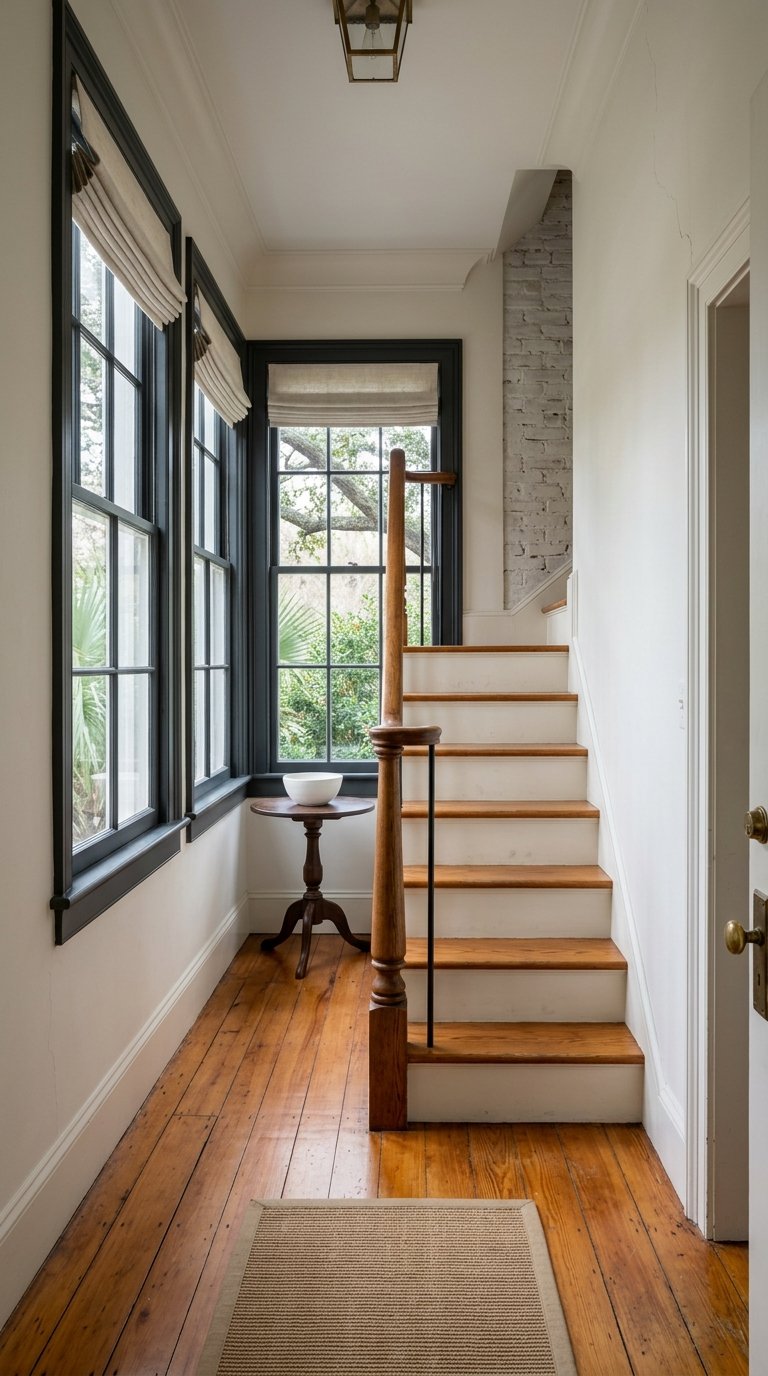
Buying a historic home in Downtown Charleston can feel equal parts exciting and complex. You are not just preparing to buy a property. You are stepping into a home with age, character, and a closing process that often requires more coordination than a newer home. If you want fewer surprises before settlement, it helps to know what to line up early. Let’s dive in.
Why historic closings need more planning
A historic Downtown Charleston closing often involves several moving parts happening at once. Preservation review, flood risk, insurance decisions, inspections, and South Carolina’s attorney-supervised closing process can all affect your timeline.
That does not mean the process has to feel overwhelming. It means your best advantage is early coordination, especially when you are buying an older home where repairs, permits, and specialty inspections may come into play.
Start with Charleston preservation rules
If the home is in one of Charleston’s historic districts, exterior changes that are visible from the public right-of-way may be reviewed by the Board of Architectural Review, often called BAR. The city also notes that many minor items may be handled by staff, but property owners are encouraged to check with Preservation Division staff before starting work.
This matters before closing because your renovation plans may affect your timeline and budget. If you are buying with the intention to update windows, exterior elements, or other visible features, it is smart to understand what review may be required before you finalize your post-closing plans.
BAR review can affect repair plans
Inspection findings sometimes lead buyers to request repairs or gather contractor estimates before closing. In a historic area, some of that work may trigger BAR review or city permitting, so it is helpful to separate urgent repairs from longer-term improvements.
A practical approach is to ask contractors for estimates on items that are most likely to remain relevant after inspections and permitting are fully understood. That can help you avoid pricing work that may need to change later.
Understand flood risk early
Flood risk is one of the most important parts of buying in Downtown Charleston. The city says AE and VE zones are within the regulated Special Flood Hazard Area, while X zones are outside it. The city also notes that areas outside FEMA’s mapped SFHA can still face local drainage issues, unmapped floodplain conditions, sea-level-rise concerns, or other hazards.
That means flood risk is not something to review at the last minute. It should be part of your early due diligence, along with your insurance conversations and financing timeline.
Flood insurance is separate from homeowners insurance
Standard homeowners insurance typically does not cover flood damage. The South Carolina Department of Insurance says standard homeowners policies do not typically cover flood or storm-surge damage, and FEMA states that flood insurance is a separate policy.
If the home is in a high-risk flood area and you are using a mortgage from a government-backed lender, flood insurance is required. Even if a property is outside the highest-risk areas, the city notes that a meaningful share of flood insurance claims come from low-to-moderate risk areas.
Charleston offers property-specific flood information
For Downtown Charleston buyers, the city’s Flood Hazard Information Letter can help confirm a property’s flood zone and identify other hazards. This is especially useful when you want more clarity before your insurance costs and repair planning are finalized.
If the home is in the SFHA, Charleston says a permit may be required for all work there, including painting, interior finishes, and storm-damage repairs. Depending on the work, permit packages may also involve elevation certificates or other flood-related documents.
Take older-home inspections seriously
A historic home deserves more than a quick once-over. South Carolina’s Residential Property Condition Disclosure Act requires a written disclosure in most residential sales of one to four dwelling units, and the form covers structural components, plumbing, electrical and HVAC systems, wood-destroying insects or organisms, zoning, restrictive covenants, and environmental hazards such as lead-based paint, asbestos, radon, methane, and underground storage tanks.
Just as important, the law says the disclosure does not limit your duty to inspect. In other words, the disclosure is useful, but it is not a substitute for careful due diligence.
One inspection is often not enough
With an older Downtown Charleston home, a general home inspection is often only the starting point. Based on the disclosure categories and the standard wood infestation reporting used in South Carolina, it is often reasonable to bring in specialists when questions arise about structure, moisture, pests, lead, or major systems.
That extra layer of review can give you a clearer picture of what needs immediate attention, what can wait, and what may affect your insurance or permit planning. In a historic property, that clarity is especially valuable.
The CL-100 has a limited window
Wood-destroying insects and hidden moisture are common concerns in older coastal homes. South Carolina’s official Wood Infestation Report, often called the CL-100, is valid for 30 days only and is not a warranty against future infestation or damage.
The form also states that it is recommended for the purchaser, rather than the seller, to obtain it. If visible infestation or damage is found, the report says you may want a licensed contractor or structural engineer to evaluate the property further.
Lead-based paint may be part of the process
If the home was built before 1978, federal lead rules are relevant. Older homes are more likely to contain lead-based paint, and federal law requires disclosure of known lead hazards in most pre-1978 housing, along with an opportunity for you to obtain an independent lead inspection.
This also matters if you plan to renovate after closing. Repair or renovation work in older homes can create lead dust if not handled properly, so it is wise to understand that risk before you begin any projects.
Know how South Carolina disclosures work
South Carolina law requires the seller to provide the residential property disclosure before the contract is signed unless the parties agree otherwise. If the seller later learns of a material inaccuracy, the seller must correct it or make reasonable repairs before closing.
That said, the same law is clear that a failure to provide the form does not void the contract, create a title defect, or provide a valid reason to delay closing. For buyers, the main takeaway is simple: review disclosures carefully, but keep your inspection timeline moving.
Expect an attorney-supervised closing
In South Carolina, residential closings are treated differently than in many states. The title search, preparation of instruments, closing, and recording or disbursement are considered legal work and must be performed or supervised by a South Carolina-licensed lawyer.
For you, that means your closing attorney plays a central role in getting the transaction to the finish line. In a historic Downtown Charleston purchase, the attorney should be looped in early, especially when inspections, insurance questions, or disclosure updates could affect the final stretch of the deal.
Build your closing team early
A smoother closing usually comes down to communication. In many historic-home purchases, your attorney, lender, insurance agent, home inspector, CL-100 provider, and any contractor preparing estimates should all be working from the same information.
That shared communication helps prevent delays and keeps your decisions grounded in current facts. It is particularly important when inspection results suggest work that could trigger permits or preservation review.
A simple coordination checklist
Before closing, it helps to keep these items moving together:
- Review the seller’s property disclosure promptly
- Schedule your general home inspection early
- Order the CL-100 within the appropriate timing window
- Discuss flood zone details and insurance needs as soon as possible
- Send inspection reports and flood-zone information to your attorney and insurance agent quickly
- Request contractor estimates for likely repair items, especially if you may negotiate credits or repairs
- Confirm whether planned work may require city permits or BAR review
- Track any disclosure corrections that arise before closing
Focus on alignment, not speed
The biggest mistake buyers make with historic homes is treating the closing like a race. In Downtown Charleston, the better mindset is alignment. You want preservation questions, inspection findings, flood-risk decisions, insurance quotes, and attorney-supervised closing steps to move on the same calendar.
That approach gives you more confidence in what you are buying and fewer surprises after you take ownership. It also helps you protect the lifestyle value that draws so many buyers to historic Charleston in the first place.
If you are preparing to close on a historic home in Downtown Charleston, thoughtful guidance can make the process feel far more manageable. For a concierge-level approach grounded in local experience, connect with Mary Catherine Masi to schedule a lifestyle consultation.
FAQs
What makes a historic Downtown Charleston closing different?
- A historic Downtown Charleston closing often involves added coordination around preservation review, older-home inspections, flood risk, insurance, and South Carolina’s attorney-supervised closing process.
What is the Charleston BAR and why does it matter to buyers?
- The Board of Architectural Review reviews certain exterior changes in Charleston’s historic districts that are visible from the public right-of-way, so your repair or renovation plans may affect your timeline and budget.
What should buyers know about flood risk in Downtown Charleston?
- Charleston identifies AE and VE zones as part of the regulated Special Flood Hazard Area, but the city also notes that areas outside those mapped zones can still experience drainage or other flood-related hazards.
Do buyers need separate flood insurance for a Downtown Charleston home?
- Standard homeowners insurance typically does not cover flood damage, so flood insurance is a separate coverage decision and may be required if the home is in a high-risk area and the mortgage is from a government-backed lender.
How important is the CL-100 for an older Charleston home?
- The CL-100 is an important wood infestation report for older homes, it is valid for 30 days only, and if it shows visible infestation or damage, you may want further evaluation by a licensed contractor or structural engineer.
Are seller disclosures enough when buying a historic home in Charleston?
- No. South Carolina’s disclosure form is important, but the law does not remove your duty to inspect, which is why many buyers of older homes also rely on general and specialty inspections.
Who handles the closing for a home purchase in South Carolina?
- In South Carolina, the title search, closing, and related legal closing work must be performed or supervised by a South Carolina-licensed lawyer.