Trying to choose between a villa and a home on Seabrook Island? It is one of the most important decisions you will make, because the right fit shapes how you live, how much upkeep you manage, and how your property supports your long-term goals. If you are buying a second home, planning for future rentals, or looking for more space and privacy, understanding the island’s ownership structure can make the decision much clearer. Let’s break it down.
Start With Seabrook Island Ownership
Seabrook Island is a private, gated barrier island about 23 miles southwest of Charleston. According to SIPOA, the Seabrook Island Development spans 2,400 acres, includes roughly 2,600 residential properties, and offers about 3.6 miles of private beach.
When you buy property on Seabrook Island, you become a member of SIPOA. That membership is separate from the Seabrook Island Club account, which matters because these two layers affect access, fees, and day-to-day ownership in different ways.
SIPOA serves as the community’s governing layer. It handles infrastructure maintenance, trash collection, island access control, and care for common areas like roads, drainage, landscaped spaces, nature trails, the crabbing dock, kayak launch, community gardens, and beach access boardwalks.
The Seabrook Island Club is separate from SIPOA. The Club states that new property owners must purchase club membership, and Club amenities include golf, racquet sports, the equestrian center, the Lake House fitness center, the Beach Club, and dining.
What a Villa Means on Seabrook
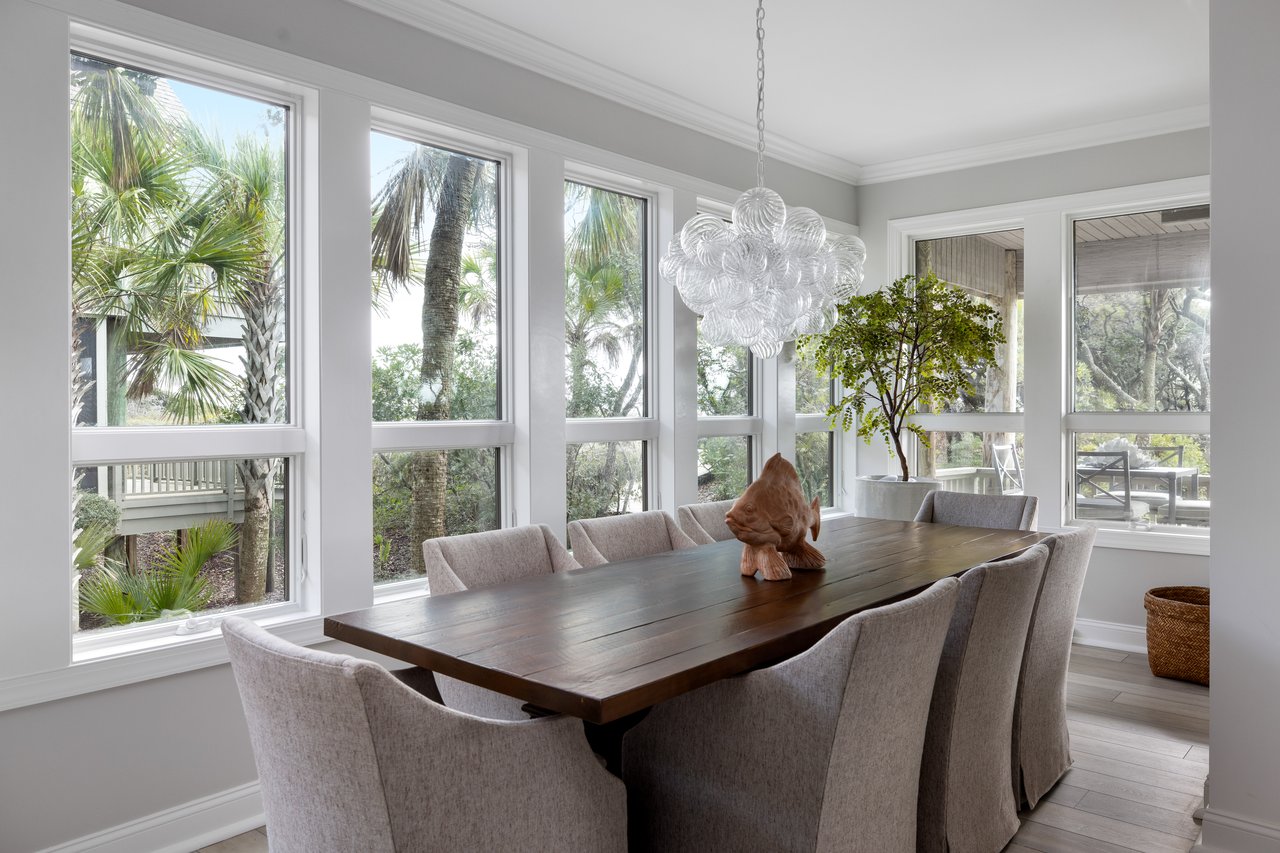
On Seabrook Island, villas are regime-managed, condo-like properties with units located on more than one floor. The island has 12 villa communities, with layouts that range from compact footprints around 638 square feet to larger options over 1,700 square feet.
Many villas are positioned around golf, marsh, river, creek, or beach-adjacent settings. That variety gives you several lifestyle options without stepping into the responsibilities that often come with a larger detached property.
In practical terms, a villa often appeals to buyers who want a smaller footprint and more shared upkeep. If you picture a lock-and-leave property that supports part-time use, a villa may feel like the more natural fit.
What a Home Means on Seabrook
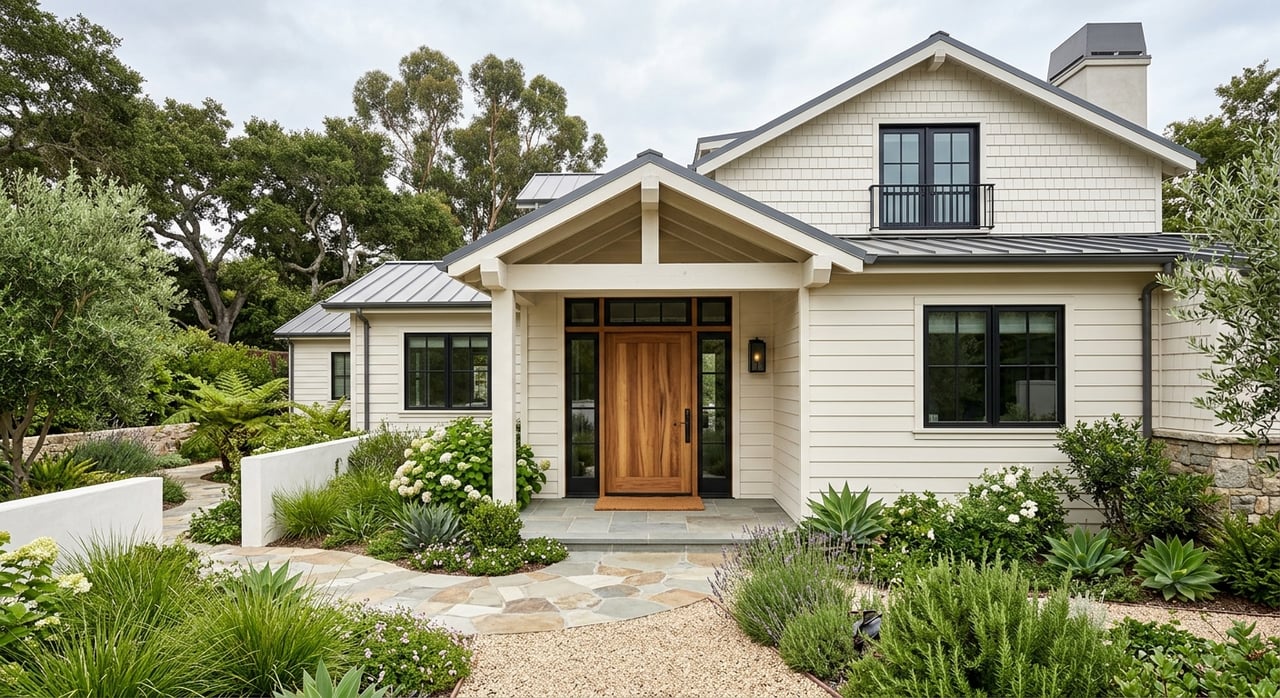
Single-family homes on Seabrook Island are residences that are not part of a separate regime-managed community. These properties usually offer more space, more privacy, and more control over the property itself.
Examples on the island include communities with newer single-family homes offering 3 to 5 bedrooms and roughly 1,500 to 3,000 or more square feet. Seabrook also offers a custom-home path, which allows buyers to design from scratch with architects, builders, landscapers, and interior designers.
If you want more room to spread out, host guests, or shape the property around your preferences, a home often gives you that flexibility. In exchange, you usually take on more direct responsibility for maintenance and approvals.
Villa vs. Home: The Core Tradeoff
The simplest way to frame the decision is this: villas typically trade some privacy and control for convenience and shared upkeep, while homes trade more maintenance responsibility for more space, flexibility, and independence.
That does not make one option better than the other. It means the best choice depends on how you plan to use the property and how involved you want to be with ownership.
Here is a quick side-by-side look:
| Factor | Villa | Single-Family Home |
|---|---|---|
| Footprint | Usually smaller | Usually larger |
| Upkeep | More shared upkeep through regime structure | More owner-managed responsibility |
| Privacy | More shared community living | More exterior independence |
| Customization | More limited | More flexibility, including custom-build potential |
| Part-time use | Often a strong fit | Can work, but may involve more oversight |
| Long-stay living | Can work well for some buyers | Often the stronger fit |
Choose a Villa If Convenience Matters Most
A villa is often the better fit if you want a second home that feels simple to own. For many buyers, the appeal comes down to easier day-to-day management, a smaller space to maintain, and a property that supports lock-and-leave living.
This can be especially attractive if you live out of market and want a place you can enjoy without feeling tied to a long maintenance checklist. A villa may also make sense if you are considering part-time rental use and want a property type that aligns with shared exterior upkeep.
At least one villa-community listing on Seabrook notes that exterior maintenance, including decks, is included in the regime fee. While details vary by community, that example shows why many buyers see villas as the lower-maintenance option.
Choose a Home If Space Matters Most
A single-family home is often the better fit if Seabrook Island will be your primary residence or a longer-stay retreat. More bedrooms, larger living areas, and greater separation between indoor and outdoor spaces can make a big difference when you plan to spend extended time there.
A home may also fit better if you care about customization. Whether you want more exterior independence or are interested in building a custom property, the single-family route usually gives you more room to shape the experience.
For buyers who see Seabrook as a long-term lifestyle move, this extra flexibility can outweigh the added maintenance. The key is being honest about how much hands-on ownership you are comfortable managing.
Understand Fees and Amenity Access
No matter which property type you choose, it helps to understand the layers of cost and access on Seabrook Island. SIPOA assessments fund operations and reserves for major repairs and capital projects such as drainage improvements, road repaving, and beach renourishment.
SIPOA also provides access to community features available to owners, including the Lake House fitness center, indoor and outdoor pools, the Oyster Catcher Community Center pool, boardwalks, the crabbing dock, a boat ramp and kayak launch, and nature trails.
Club access is separate. The Club requires separate amenity cards for golf, racquet sports, club restaurants, and the Oceanfront Beach Club, and unaccompanied guests of owners or renters need an amenity card for the Lake House.
This distinction matters because buyers sometimes assume all island amenities sit under one structure. On Seabrook, they do not, so your ownership costs and guest access plans should be part of the villa-versus-home conversation from the start.
Think Carefully About Rental Plans
If rental income is part of your plan, look at logistics early. SIPOA requires all long-term and short-term rental properties to register before the first rental, and the owner or manager pays gate-pass fees for rental vehicles.
The Town of Seabrook Island also requires a business license and a Short-Term Rental Permit for residential dwellings rented or offered for fewer than 30 consecutive days. Each unit needs its own permit.
Club access can create another cost layer for owners who want renters to use Club amenities. The Club’s 2026 materials list required annual rental-guest amenity fees of $2,100 for Golf Membership and $4,200 for Racquet Sports Membership to permit rental guest access.
That does not mean rentals are off the table. It simply means your ownership decision should account for registration steps, permit requirements, and amenity-related costs before you buy.
Maintenance Responsibilities Matter
Maintenance is one of the biggest practical differences between a villa and a home. SIPOA states that it does not maintain private homes, even though it manages community infrastructure and common property.
SIPOA rules also require developed property to be kept free from deterioration. Exterior surfaces must be repaired or repainted as needed, roofs and gutters must be kept clean, and landscaped areas must be maintained.
If you buy a single-family home, those standards become a more direct part of your ownership experience. ARC resources also note that many exterior alterations, including painting, reroofing, tree work, and door or window replacements, require review or approval.
For many buyers, that does not feel like a drawback. It is simply part of owning a more independent property in a carefully maintained island community.
Questions to Ask Before You Decide
If you are torn between a villa and a home, these questions can help you narrow the choice:
- How often will you use the property each year?
- Do you want a lock-and-leave setup or a larger full-time retreat?
- How much maintenance do you want to manage directly?
- Is rental income part of your ownership strategy?
- Do you want more exterior independence and design flexibility?
- How important is smaller scale versus extra bedrooms and living space?
Your answers usually point clearly in one direction. Buyers who prioritize ease and shared upkeep often lean villa, while buyers who prioritize space, privacy, and flexibility often lean home.
The Best Choice Is the One That Matches Your Lifestyle
On Seabrook Island, the villa-versus-home decision is really about matching the property to the way you want to live. A villa can offer a simpler ownership experience with a smaller footprint and more shared upkeep, while a home can offer more room, privacy, and personalization.
If you are buying from out of town, that clarity matters even more. The right choice is not just about square footage or price. It is about how ownership feels once you are here, how often you plan to visit, and how seamlessly the property fits your life.
If you want help comparing Seabrook Island villas and homes through a lifestyle and ownership lens, Mary Catherine Masi can help you evaluate the options with clear, concierge-level guidance.
FAQs
What is the difference between a villa and a home on Seabrook Island?
- A villa is typically a regime-managed, condo-like property with more shared upkeep, while a home is a single-family residence with more space, privacy, and owner responsibility.
Are Seabrook Island villas easier to maintain than homes?
- In many cases, yes. Villas are often better suited to buyers who want a lower-upkeep, lock-and-leave property, and at least one villa community notes exterior maintenance is included in the regime fee.
Do Seabrook Island property owners join SIPOA?
- Yes. SIPOA states that all property owners in the Seabrook Island Development become SIPOA members when they purchase property.
Is Seabrook Island Club membership separate from SIPOA?
- Yes. SIPOA and the Seabrook Island Club are separate, and the Club states that new property owners must purchase club membership.
Can you rent out a villa or home on Seabrook Island?
- Yes, rental use is possible, but SIPOA requires rental registration, and the Town of Seabrook Island requires a business license and a Short-Term Rental Permit for rentals under 30 consecutive days.
Do rental guests on Seabrook Island get Club amenity access automatically?
- No. Club access involves separate amenity rules and fees, and the Club’s rental-guest amenity fees are an important cost factor for owners considering rentals.
Which Seabrook Island property type is better for a second home?
- For many buyers, a villa is the better fit for second-home use because it often offers a smaller footprint, shared upkeep, and easier lock-and-leave ownership.
Which Seabrook Island property type is better for full-time living?
- For many buyers, a single-family home is the stronger fit for full-time or long-stay living because it usually offers more space, privacy, and flexibility.