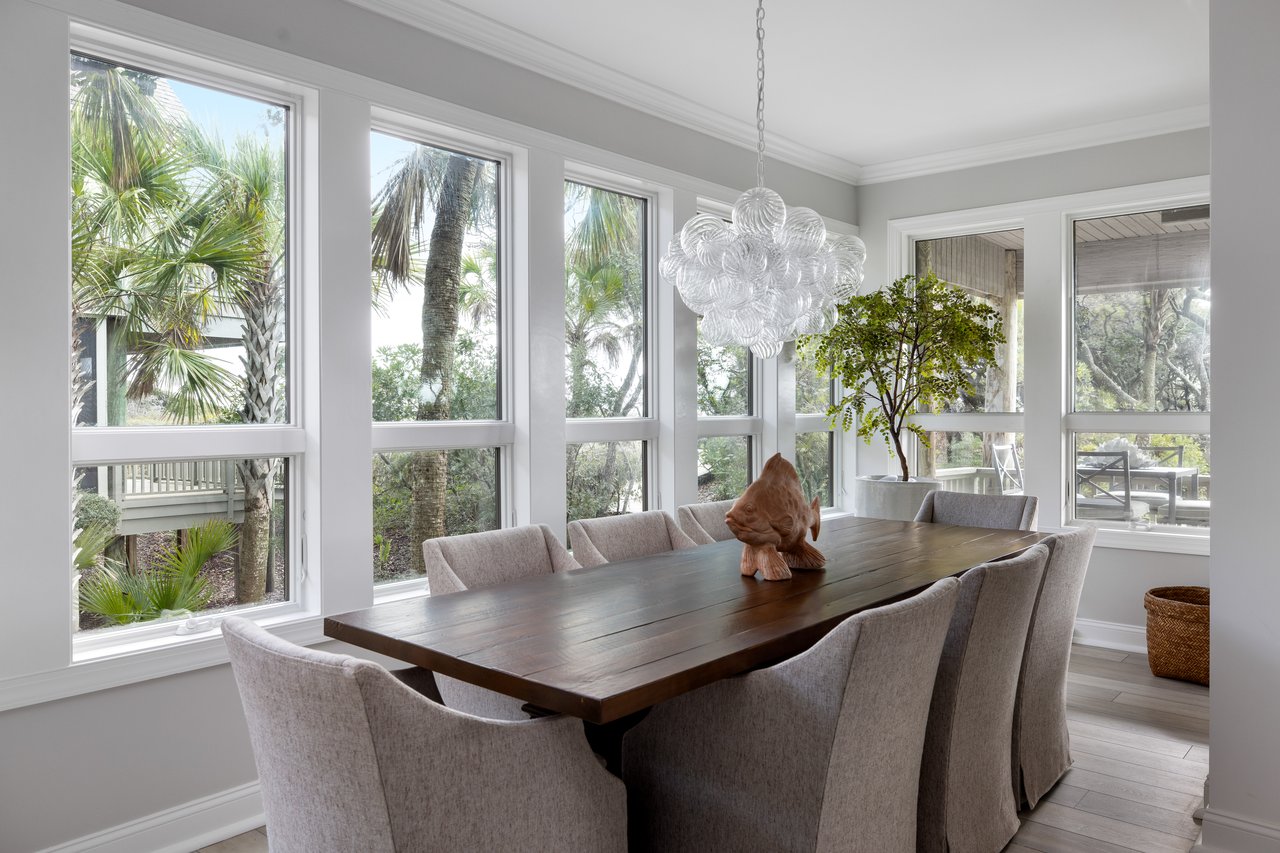
Picture this: you arrive on Isle of Palms, park once, and step into a fully furnished beach retreat. Fresh linens are set, the front desk has your plans in hand, and when you head home, a professional team markets your place to the next guest. If that mix of turnkey living and rental potential sounds appealing, you might be a fit for a condo-hotel.
In this guide, you’ll learn what a condo-hotel is, how it works on Isle of Palms and in Wild Dunes, what fees and rules to expect, and how to complete smart due diligence. You’ll also see how financing, insurance, and taxes differ from a typical second home. Let’s dive in.
What a condo-hotel is
A condo-hotel is a condominium you own that operates like a hotel. You hold a deed to your unit and a share of common areas, but day-to-day operations are handled by an onsite resort or management team.
How the model works
- Professional staff manages reservations, check-in and checkout, housekeeping, and guest services.
- Units are usually sold furnished and kept to resort standards for short stays.
- You can use your unit for personal time and, if allowed, place it in a rental program when you are not there.
- When your unit is rented, revenue is pooled and distributed after management, housekeeping, and marketing fees.
Why buyers like it
- Low maintenance: Onsite teams handle the details you do not want to manage from afar.
- Rental exposure: Your unit can be marketed alongside the resort’s inventory.
- Amenities: Pools, dining, beach services, and more are often part of the experience.
Key tradeoffs vs a traditional condo
- Use limits: Owner stays may be restricted by blackout dates or booking calendars.
- Standards and control: Furnishings and guest policies often follow resort requirements.
- Higher fees: Expect management commissions, per-stay housekeeping, and association dues that reflect resort operations. Financing can also be more specialized.
How condo-hotels work on Isle of Palms
Isle of Palms, including Wild Dunes, blends private residences with resort hotels and condo communities that welcome short-term guests. Many condo buildings here function within a resort rental program, which means your ownership experience will feel different than a standard second home.
Wild Dunes context
Wild Dunes is the island’s main resort setting, with a mix of condos, villas, and homes. Rental program details, fee structures, and owner-use rules can vary by building and by management agreement. The governing documents for each association and the rental management agreement are the definitive sources for what you can and cannot do.
Local rules, licenses, and taxes
Isle of Palms sets the rules for short-term rentals, including licensing, occupancy, and safety standards. In many condo-hotel setups, the management company collects and remits applicable state and local accommodations taxes, but you should confirm who handles this and what documentation you will receive. Make sure your unit is properly licensed and compliant before you begin renting.
Coastal risks and insurance
Isle of Palms is a barrier island with flood and wind exposure. Many buildings are in FEMA flood zones and require flood insurance through the National Flood Insurance Program or private carriers. Association master policies typically insure the structure and common areas, while you carry an HO-6 policy for interiors and contents. Expect hurricane deductibles and review claim history and reserves for any building you consider.
What to review before you buy
Condo-hotel specifics vary widely by community and building. Your best decisions come from careful document review and real performance data.
Core documents to request
- Condominium declaration, bylaws, and rules and regulations
- Rental management or owner participation agreement, plus any franchise or master management contracts
- HOA budgets, financials, and the latest reserve study
- Association meeting minutes for the past 12 to 24 months
- Insurance summaries for the master policy and owner obligations
These determine owner rights, fee structures, use restrictions, and how decisions are made and funded.
Owner-use calendars
Usage can be fixed weeks, floating schedules, or first-come reservations with blackout periods. Confirm:
- How far in advance you book owner stays
- Holiday and peak-season blackouts
- Penalties or fees for changes and cancellations
Fees and revenue model
Expect several layers:
- Management commission on gross bookings
- Per-stay housekeeping and linen fees
- Reservation or platform fees and a marketing fund contribution
- HOA/condo dues that support staffing, common utilities, insurance for common elements, and reserves
Ask for historical rental statements and building-level occupancy and average daily rate data so you can model net income after all fees.
Furnishings and standards
Units are often sold turnkey. Resorts commonly require certain furniture packages, bedding, kitchenware, and refresh schedules. Budget for periodic upgrades to stay aligned with brand standards.
Financing, insurance, and taxes
Condo-hotels are financed and insured differently than traditional second homes, and rental income has tax implications.
Financing realities
Many lenders apply extra scrutiny to condo-hotels. Some loan programs have limits or require specific project approvals. Down payments and credit requirements can be higher, and lenders may cap the share of investor-owned units. Get prequalified with a lender experienced in condo-hotel projects before you write an offer.
Insurance basics
- The association’s master policy typically covers the building shell and common areas.
- You carry an HO-6 policy for interior finishes and personal property.
- Confirm wind and hurricane deductibles, plus whether separate flood coverage is required for your unit.
Rental income and taxes
Income earned while your unit is in the rental pool is taxable. Management should provide annual statements and may issue tax forms when applicable. Owners often deduct eligible expenses such as mortgage interest, property taxes, a portion of HOA fees attributable to rental activity, depreciation, and operating costs. Your deductions depend on personal use versus rental days, so keep detailed records.
Seasonality and performance on Isle of Palms
Beach demand peaks in summer and during holidays, with strong shoulder-season visits linked to Charleston tourism. Proximity to downtown Charleston, roughly a 20 to 25 minute drive in typical conditions, broadens demand beyond pure beach vacations. Local events and broader regional travel trends influence occupancy and rates.
Performance is inherently seasonal, so evaluate results over multiple years. Ask to see unit-specific rental history for the last 12 to 36 months and compare it to building averages. When modeling, focus on net income after all fees and use conservative assumptions for occupancy, rates, and expense growth.
Due-diligence checklist
Use this quick list to stay organized:
- Review the condominium declaration, bylaws, rules, and any franchise or master management agreements.
- Obtain current HOA budgets, financials, reserve studies, and meeting minutes from the last 12 to 24 months.
- Secure the rental management agreement with full commission, fee, and remittance details, plus termination clauses and reporting schedules.
- Analyze historical rental statements for the specific unit and building-level occupancy and rate trends.
- Verify short-term rental licensing and compliance requirements for Isle of Palms.
- Confirm flood zone, elevation certificate, insurance requirements, and hurricane deductibles.
- Ask about claim history, planned capital projects, and any pending litigation.
- Speak with lenders about financing options for the specific project and get prequalified.
- Consult a real estate attorney, a CPA familiar with rental real estate, and a coastal insurance agent.
Is a condo-hotel the right fit for you?
A condo-hotel on Isle of Palms can be a smart choice if you want an effortless beach base with professional management and the option to generate rental income when you are away. It requires comfort with shared standards, a clear understanding of fees, and a realistic view of seasonal performance. If you value convenience and amenities and can accept some limits on control, the model can deliver both lifestyle and financial benefits.
If you want help evaluating specific buildings, comparing rental program terms, and understanding the fine print, you do not have to do it alone. Schedule a conversation and we will walk through the documents, performance data, and local nuances together.
Ready to explore condo-hotels on Isle of Palms and within Wild Dunes? Reach out to Mary Catherine Masi to start your lifestyle-focused plan.
FAQs
What is a condo-hotel on Isle of Palms?
- It is a condominium you own that operates with hotel-style services and unified rental management, offering turnkey use and potential rental income with defined rules and fees.
How does owner use work in a condo-hotel program?
- Your personal stays follow the project’s calendar, which may include advance booking rules and blackout periods; the governing documents and rental agreement spell out the specifics.
What fees should I expect beyond HOA dues?
- In addition to HOA assessments, expect management commissions on rentals, per-stay housekeeping, reservation or platform fees, and contributions to a marketing fund.
Is financing a condo-hotel harder than a typical second home?
- Yes, many lenders apply stricter criteria, larger down payments, and project-specific approvals, so prequalify with a lender experienced in condo-hotel financing.
How are taxes handled for rental income from my unit?
- Rental income is taxable; management typically provides annual statements and may collect and remit accommodations taxes, but you should confirm responsibilities and keep records.
What insurance do I need for a coastal condo-hotel?
- The association carries a master policy for the building and common areas; you typically need an HO-6 policy for interiors and contents, plus flood coverage where required.