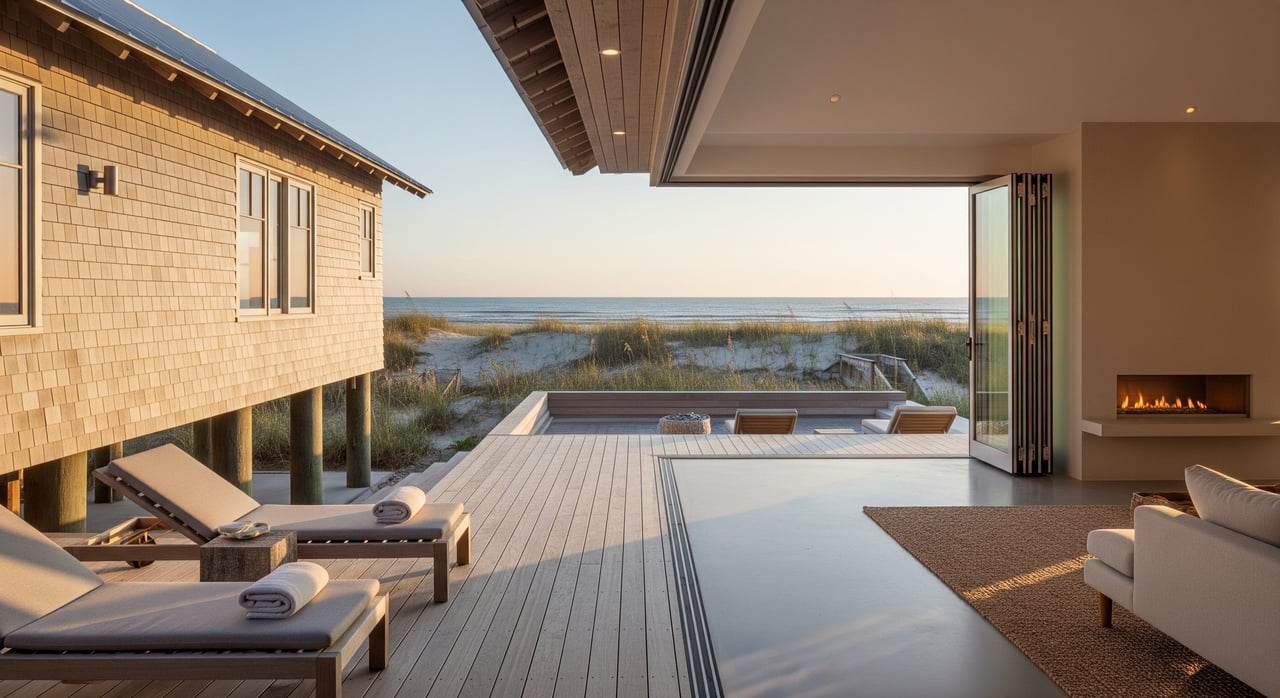
Salt air in your morning coffee, surf checks before breakfast, and a quick stroll to Center Street for dinner. If you’re thinking about owning a home on Folly Beach, that image is close to reality. But island living also comes with unique rules, maintenance needs, and seasonal rhythms. This guide walks you through daily life, ownership essentials, rentals, access, and how Folly compares to other nearby beaches so you can make a confident decision. Let’s dive in.
Life on Folly Beach: What your days look like
Beach access and recreation
Folly Beach is a relaxed, surf‑centric barrier‑island city, shaped by the ocean and marsh. The Folly Beach Pier serves as a central landmark for fishing, strolling, and people‑watching. You’ll find surfable waves at local breaks like the Washout, easy access to municipal beach paths, and the family‑friendly Folly Beach County Park at the west end.
On calmer days, many owners paddle the marshes, book inshore fishing charters, or birdwatch along the dunes. Weekdays outside peak season feel quiet and neighborly. Summer brings a lively, vacation‑town energy that you’ll feel in the air and on the sand.
Dining and daily conveniences
Center Street is the heart of Folly’s restaurants, bars, coffee spots, and small boutiques. Expect casual seafood, live music, and a fun, come‑as‑you‑are scene. On‑island services are more limited than the mainland, so you’ll likely head to James Island or downtown Charleston for larger grocery runs, hardware, and professional services.
If you prefer to walk or bike to dinner, living near Center Street is convenient. If you want quieter nights, homes farther from the commercial core usually offer a more residential vibe.
Seasonal rhythms and community feel
Folly’s calendar has a distinct pulse. Late spring through summer brings high visitor volumes, full parking lots near the pier, and packed restaurants. Fall and winter are calmer, with easier parking and a more intimate community feel.
As an owner, you’ll plan around high‑season patterns. Near Center Street and the pier, expect more pedestrian activity and nightlife in summer. Neighborhoods farther down the island tend to stay quieter year‑round, though holiday weekends can still feel busy.
Conservation and beach etiquette
Wildlife protection is part of daily life. During sea turtle nesting season, beachfront lighting must be minimized or shielded, and dune vegetation is protected. Public dune walkovers and beach access points guide foot traffic to protect the dunes. When in doubt, follow posted signage and city guidance to avoid fines and to keep the beach healthy.
Ownership essentials: costs, risks, upkeep
Flooding, storms, and building design
Folly is a barrier island, so storm surge, tidal flooding, and hurricane risk are core ownership considerations. Many homes are elevated on pilings or have raised first floors to meet local floodplain standards. In low‑lying areas, king tides and heavy rain can lead to temporary road flooding, so plan routes and parking accordingly.
Create a preparedness plan that balances comfort and resilience. Many owners invest in shutters or impact glass, portable or whole‑home generators, and storm‑ready landscaping. Keep key documents, evacuation supplies, and pet plans organized before hurricane season.
Insurance basics on the coast
If your property sits in a FEMA Special Flood Hazard Area, your lender will typically require flood insurance. Even outside those zones, many owners still opt for coverage due to rising tidal flooding. You’ll also encounter windstorm coverage and hurricane deductibles that differ from standard inland policies.
Insurance costs can vary widely by elevation, construction, and proximity to water. Shop multiple carriers, ask detailed questions about flood versus wind coverage, and understand how deductibles apply during named storms. Clarify whether your policy covers loss of use if you plan to rent.
Maintenance in salt air
Salt air is beautiful and relentless. Corrosion on metal, faster wear on paint and finishes, and shorter lifespans for exterior materials are common near the ocean. Vigilance with termite prevention, wood rot, and deck hardware goes a long way.
Before major exterior work, check city permitting requirements. If your project is near dunes or wetlands, you may also need to consult state coastal authorities. A proactive maintenance schedule helps protect your home and supports better insurance outcomes.
Here’s a simple coastal upkeep checklist many owners use:
- Rinse and inspect exterior hardware and railings quarterly; upgrade to marine‑grade fasteners where possible.
- Seal or paint exposed wood annually or as recommended by your contractor.
- Schedule annual termite inspections and maintain active treatment plans.
- Service HVAC systems twice a year and clear salt buildup on outdoor units.
- Inspect roof, flashing, and decks before and after major storms.
Rentals and local rules
Short‑term rental landscape
Folly Beach has an active short‑term rental market, especially in peak season. If you plan to rent, you’ll need to follow city registration steps, state lodging and local accommodations tax rules, and safety or occupancy requirements. Regulations evolve, so confirm current rules before relying on projected income.
Clear house rules, noise guidance, and parking plans help maintain good neighbor relationships. If you use a property manager, align on guest communication, turnover logistics, and compliance tracking.
Parking and guest logistics
Parking can be tight near the pier and Center Street in summer. Some residential streets are narrow, and on‑street options may be limited. Plan guest parking in advance and share maps of municipal lots, metered areas, and designated access points.
If you host frequent visitors, a simple arrival guide with parking tips, beach access etiquette, and turtle‑friendly lighting reminders can prevent headaches.
Getting around and getting off‑island
Folly Road (SC‑171) is the island’s main route to James Island and downtown Charleston. Without peak traffic, you can often reach downtown in roughly 20 to 30 minutes, but summer weekends and special events can extend drive times. Because Folly has a single primary ingress and egress, evacuation days and peak tourist hours can create bottlenecks.
Public transit options are more limited than in Charleston proper. Many residents rely on personal vehicles, bikes, and golf carts for short trips. The island is compact and walkable in many areas, especially around Center Street, though pedestrian density can be high in summer.
During hurricane season, review the city’s evacuation information, fuel early, and keep important numbers handy. Hospital and major medical services are on the mainland, so factor transport times into your planning.
How Folly compares to nearby islands
Folly Beach offers a laid‑back, surf‑oriented culture with a lively Center Street corridor. Isle of Palms and Sullivan’s Island feel more residential and often quieter, with a different mix of zoning and local rules. Historically, those islands have trended toward higher median home prices, while Folly often draws buyers seeking a more casual vibe and walkable entertainment.
If you want an active surf scene, a pedestrian‑friendly main street, and strong seasonal energy, Folly is a natural fit. If you prefer stricter aesthetic controls, quieter streets, and a more uniformly residential setting, you might compare options on Isle of Palms or Sullivan’s Island. All three are within a similar driving distance to downtown Charleston, with traffic patterns varying by bridge and season.
Is Folly Beach a fit for you?
Choose Folly Beach if you value:
- A relaxed, surf‑centric culture with easy beach access and the pier at the center of life.
- Walkable dining and nightlife on Center Street, especially in peak season.
- Strong short‑term rental potential paired with clear rules and expectations.
You may prefer a different island if you want:
- Lower seasonal noise and more uniformly residential neighborhoods.
- Tighter aesthetic controls and zoning in many areas.
- A quieter commercial core with fewer nightlife hotspots.
Owning on Folly means embracing the beach lifestyle while planning for coastal realities. With the right preparation, you can enjoy sunrise surf checks, sunset pier walks, and a community that shines year‑round. If you want a tailored look at homes, regulations, and ownership strategies that fit your goals, connect with Mary Catherine Masi to Schedule a lifestyle consultation.
FAQs
Do Folly Beach homes typically need flood insurance?
- Much of the island is in FEMA flood zones, and lenders usually require flood insurance in Special Flood Hazard Areas; even outside those zones, many owners choose coverage due to tidal flooding risk.
How disruptive are storms and power outages on Folly Beach?
- Tropical systems can bring wind damage and prolonged outages; many owners invest in shutters or impact glass, generators, and a clear evacuation and communications plan.
What should I know about short‑term rentals in Folly Beach?
- STRs are common but require city registration, lodging and accommodations tax compliance, and adherence to safety, occupancy, parking, and noise rules that can change over time.
How busy does Folly Beach get in summer and where do I park?
- Expect heavy visitor traffic, full lots near the pier and Center Street, and higher demand for on‑street spaces; plan guest parking and share municipal lot and access point information in advance.
Are there environmental rules I need to follow as an owner in Folly Beach?
- Yes; dune protection, turtle‑friendly lighting during nesting season, and coastal permitting near dunes or wetlands are enforced, and fines can apply for violations.
What maintenance costs run higher than inland homes on Folly Beach?
- Flood and windstorm insurance, more frequent exterior upkeep due to salt and humidity, termite prevention, and higher property management costs if you run a rental are common.